Call Point Testing
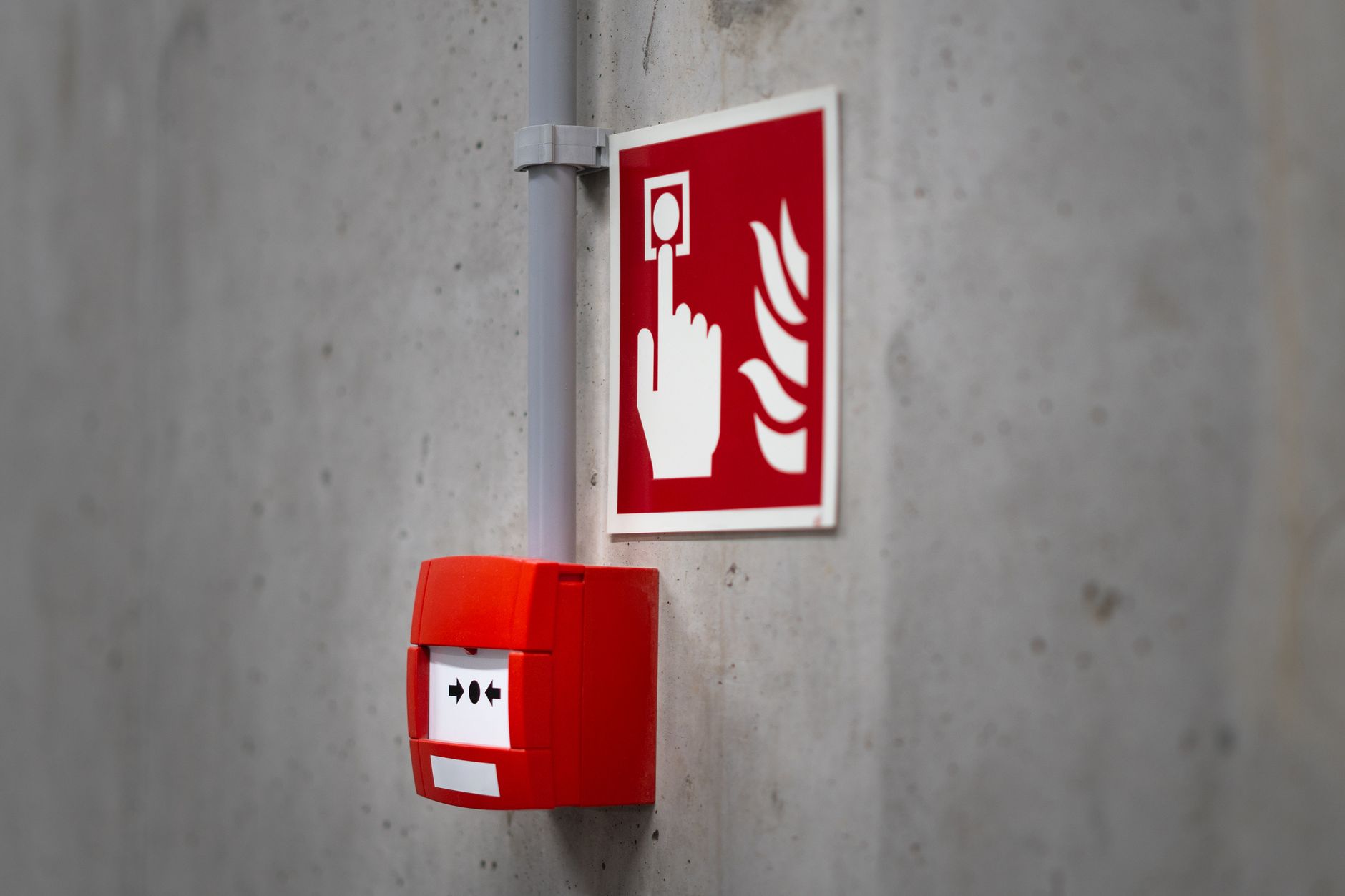
A different call point tested each week, so every one is checked over time.
We carry out your weekly fire alarm tests and log every result, so the checks always get done and your records are ready for any inspection.
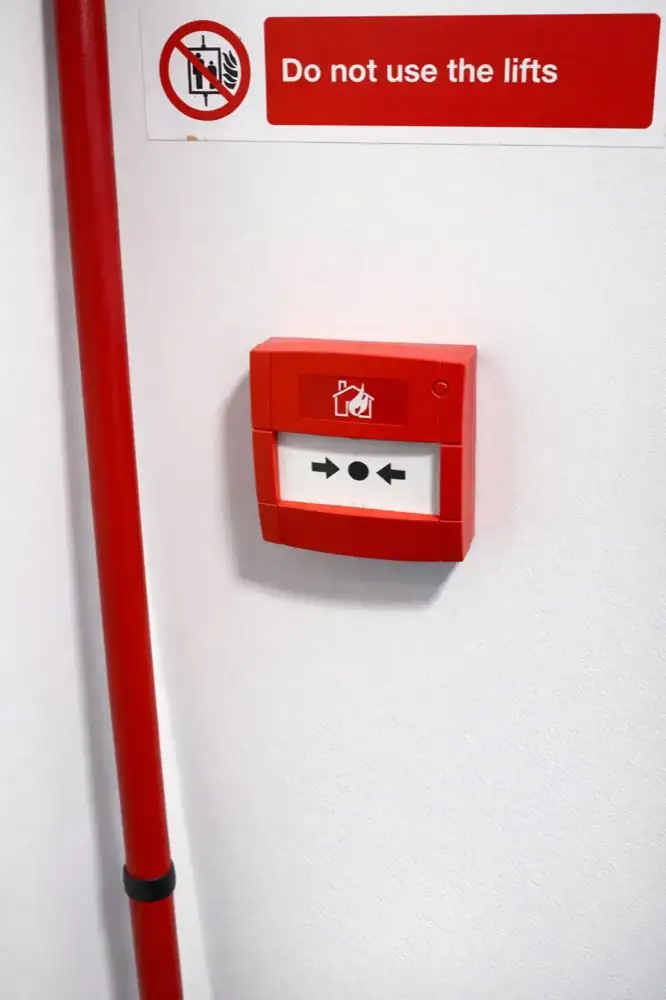
BS 5839-1 recommends testing your fire alarm every week by operating a different manual call point, and recording the result in your logbook.
It sounds simple, but tests get missed when staff are busy, away or unsure what to do. We carry out the tests for you on a set day and time, work through every call point in turn, report any faults straight away and keep your logbook up to date.
We agree a day and time that suits your building and the people in it.
We check your system, list every call point and set up your test rotation.
We test a different call point each week and record the result in your logbook.
Any faults are reported straight away, and we can get them fixed quickly.
Common questions about weekly fire alarm testing.
Our team is happy to help. Call us on 0330 016 2380 or send us a message.
BS 5839-1 recommends a weekly test so you know the system is working between services. Operating a different call point each week checks the panel, the wiring and the sounders, and gets everyone used to the sound of the alarm.
Usually around ten to fifteen minutes on site. The alarm itself only needs to sound briefly, typically less than a minute, so people recognise it as a test rather than a real fire. The rest of the time is spent checking the panel, resetting the system and writing up the logbook.
Yes, as long as the person is trained and knows how to operate the call point, silence and reset the panel, and record the result. Many clients start with us doing the tests, then ask us to train a member of staff to take over. Others prefer us to keep doing them so the job never depends on who is in that day.
We note it in your logbook and tell you the same day, explaining what the fault means and how urgent it is. If it affects how well the system protects the building, we will advise on any temporary measures and can usually arrange an engineer to put it right quickly.
Pick a time when most regular occupants are in the building, so they all hear the alarm, and keep it the same each week so it is never mistaken for a real fire. Mid-morning on a weekday works well for most offices, while blocks of flats and care settings often prefer a time agreed with residents or staff.
Not if it is done properly. If your alarm is monitored by an alarm receiving centre, we put the system on test with them before operating the call point and confirm it is back online afterwards, so the test never triggers an unwanted response.
If the block has a communal fire alarm in the common parts, then yes, it should be tested weekly like any other system. Many purpose-built blocks with a stay put strategy do not have a communal alarm at all, so check your fire risk assessment or ask us and we will confirm what applies to your building.
Tell us where your building is, how many call points you have and which day suits you best. A member of our team will get back to you within one working day with clear, no obligation advice. For emergencies, call our 24 hour line.
From emergency lighting to fire risk assessments, everything you need to keep your building safe and compliant.
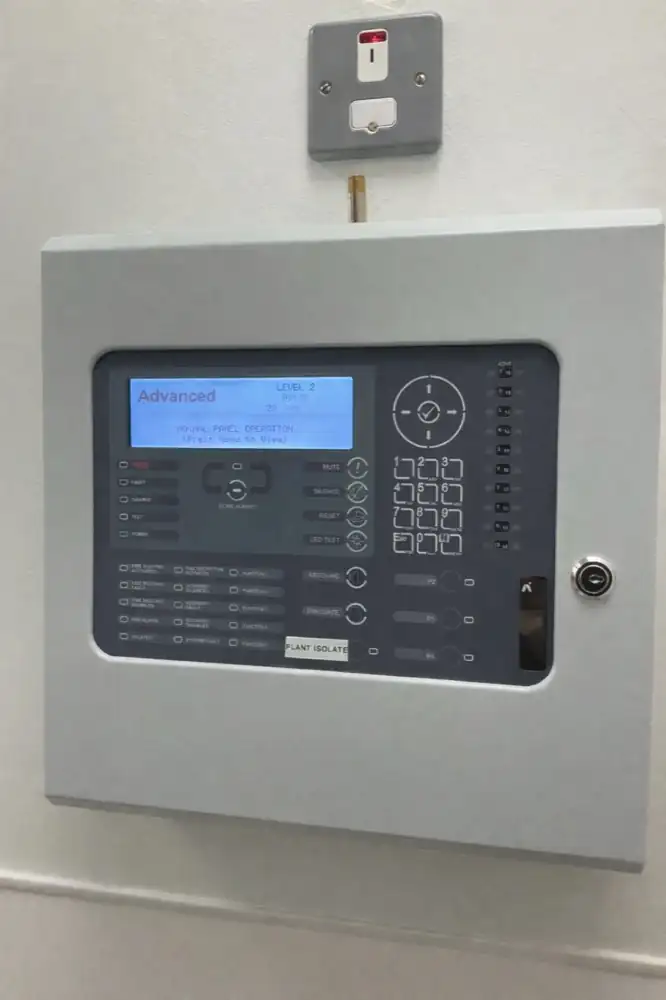
Fire alarms designed, installed and serviced to BS 5839 for the earliest possible warning.
View fire alarms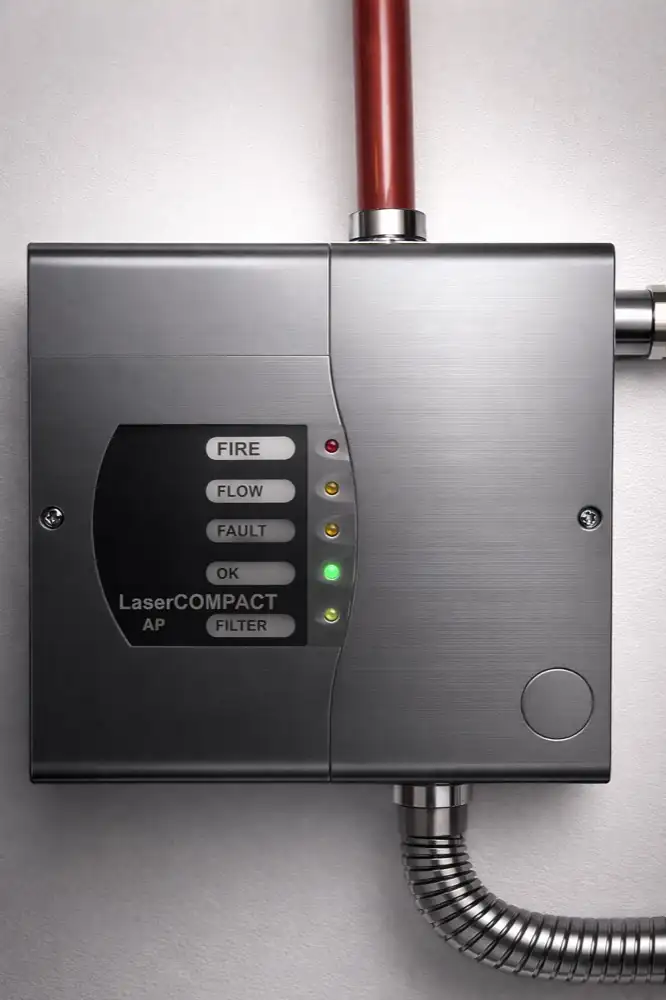
Air sampling detection that picks up smoke long before a standard detector, ideal for critical spaces.
View aspirating detection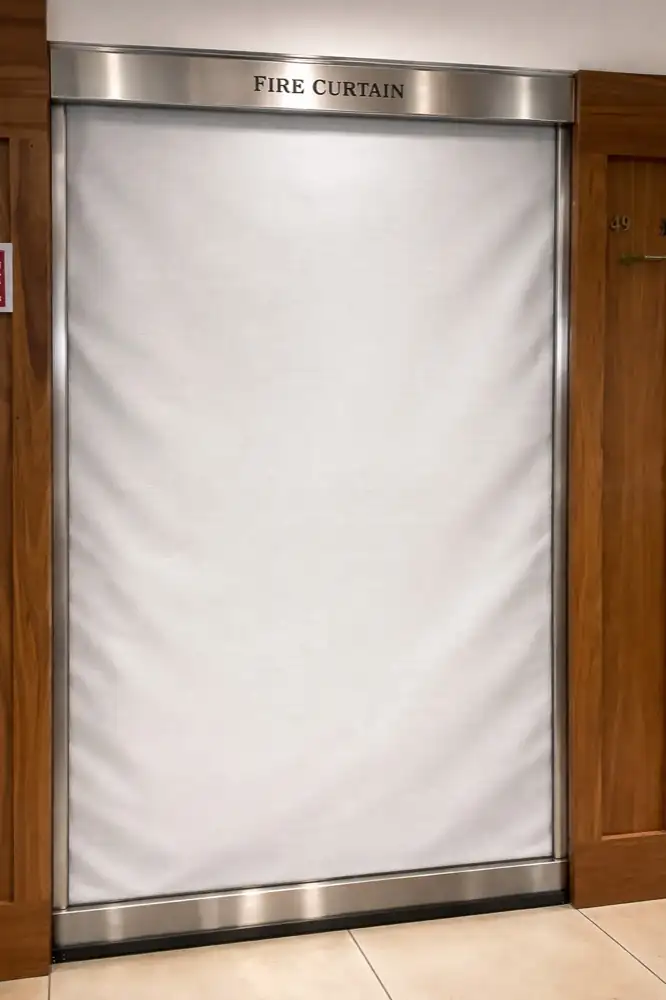
Automatic curtains and shutters that hold back fire and smoke while keeping open layouts open.
View fire curtains
Clear, practical assessments that show exactly where you stand and what needs doing.
View fire risk assessments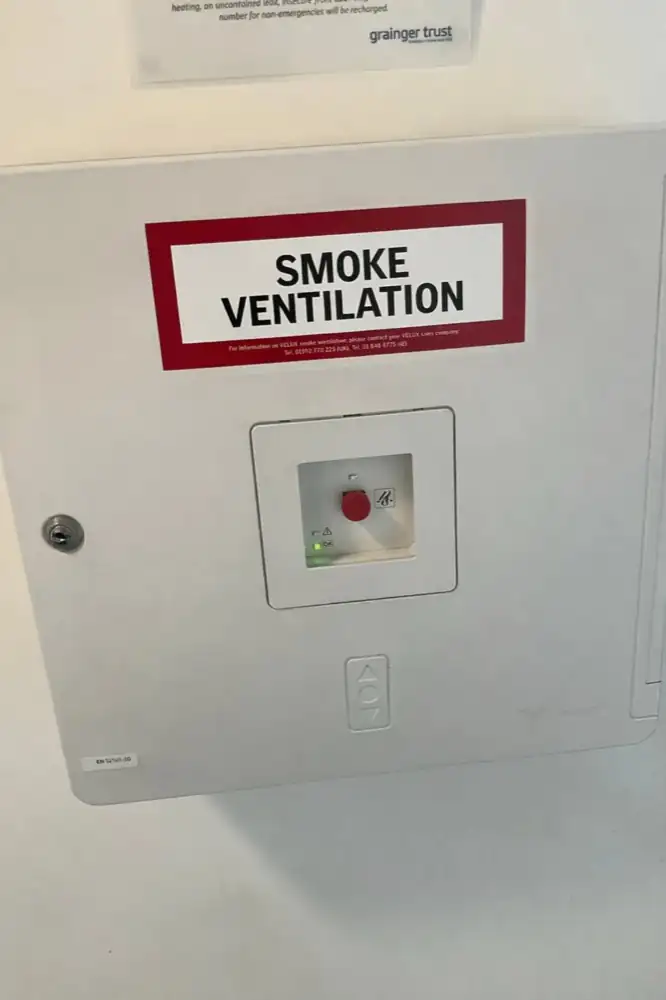
Automatic opening vents that clear smoke from stairwells and corridors, keeping escape routes usable.
View smoke vents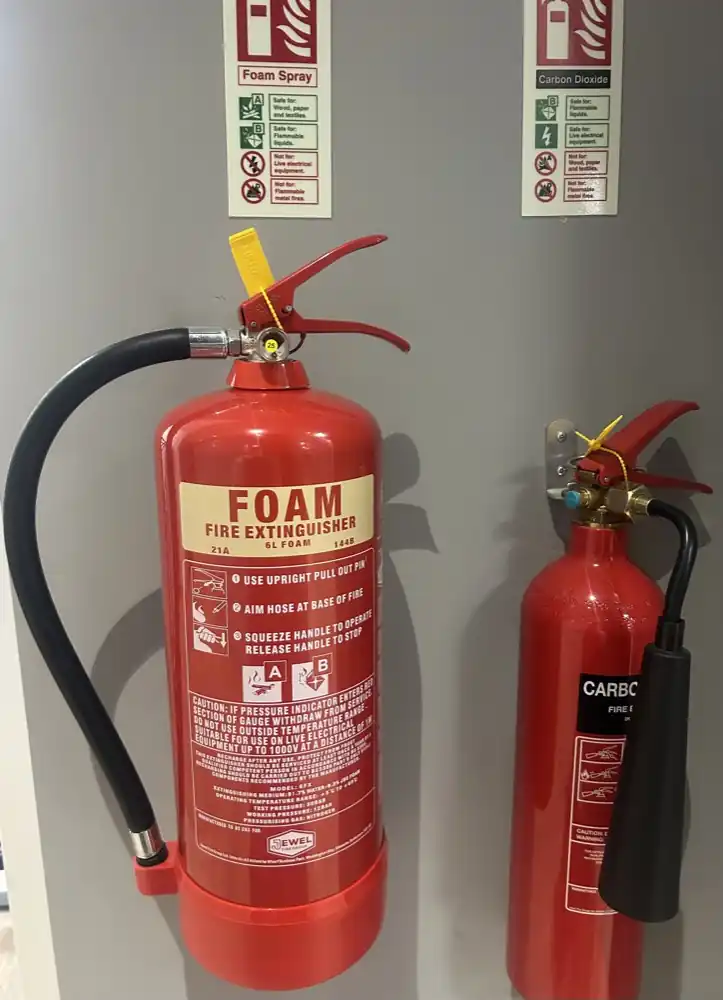
The right extinguishers for your risks, supplied, fitted and serviced every year.
View fire extinguishers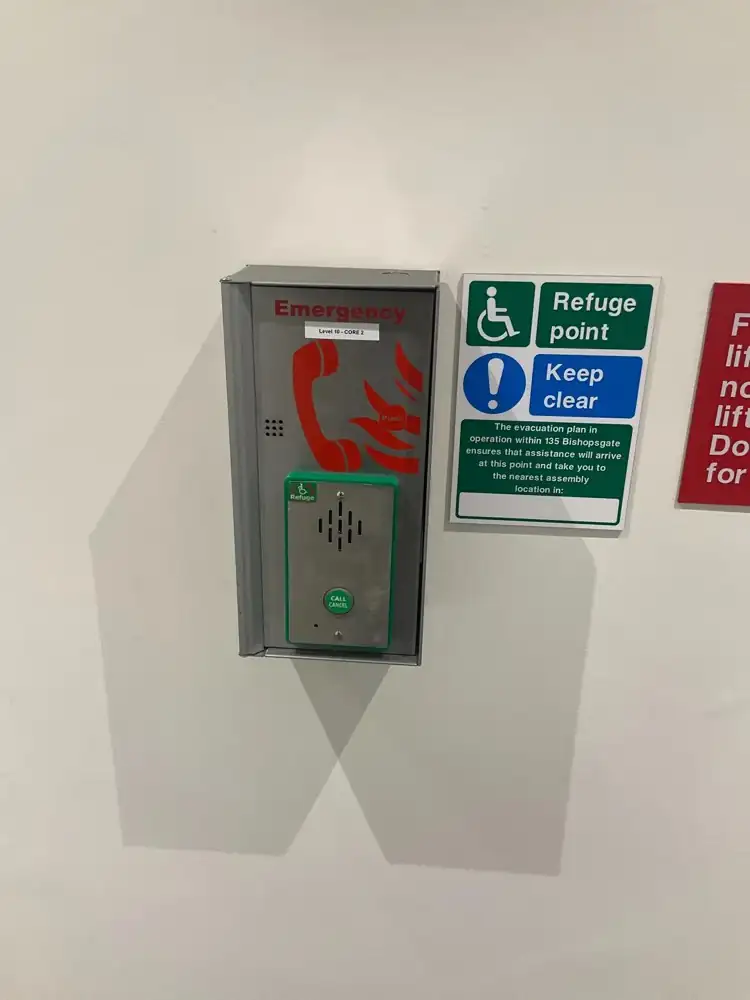
Two-way emergency voice communication so anyone waiting in a refuge can always reach help.
View refuge systems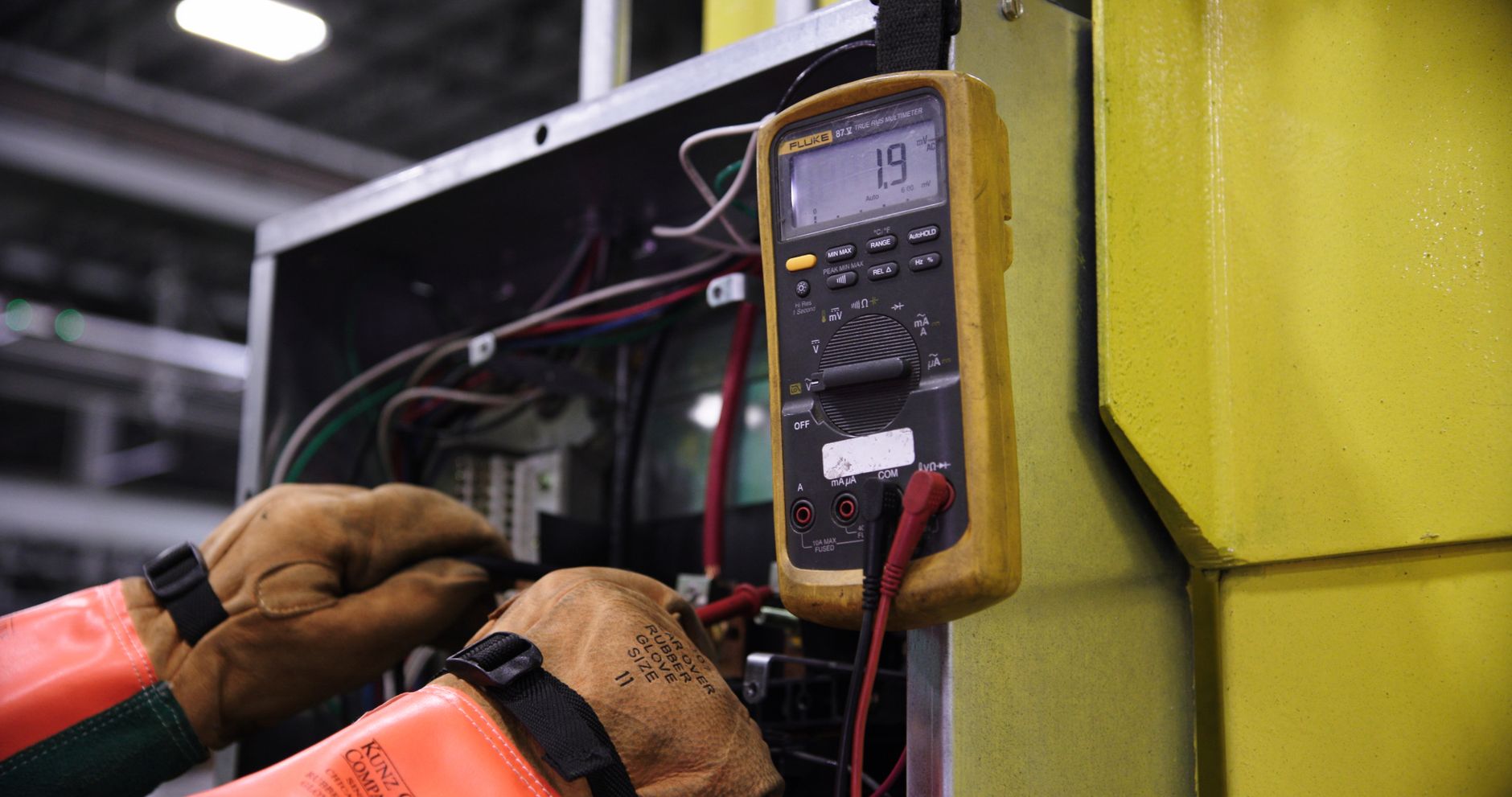
Your alarm, doors, vents, lifts and plant programmed and tested to respond together.
View cause and effects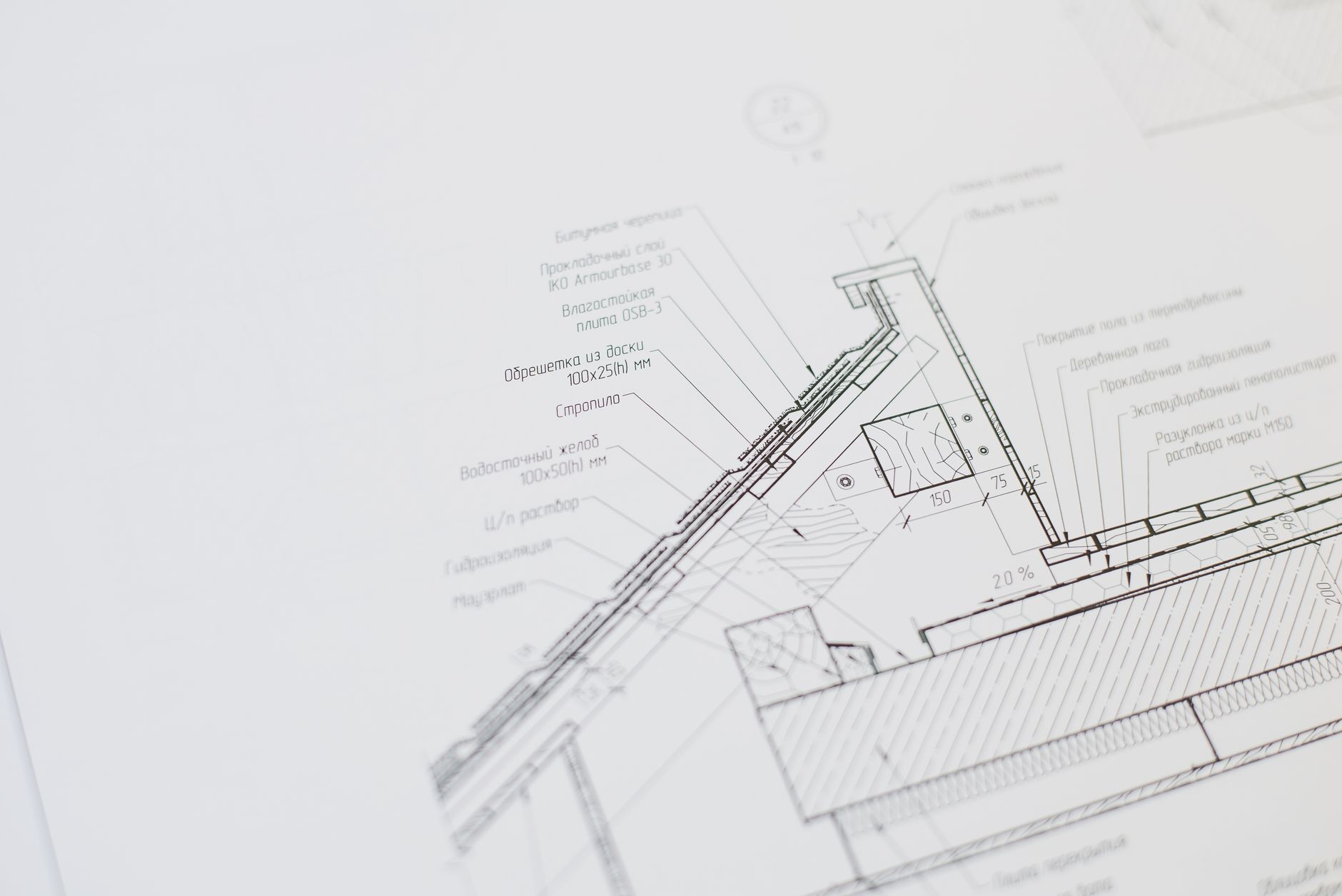
Clear zone plans beside your panel that show responders exactly where an alarm came from.
View zone charts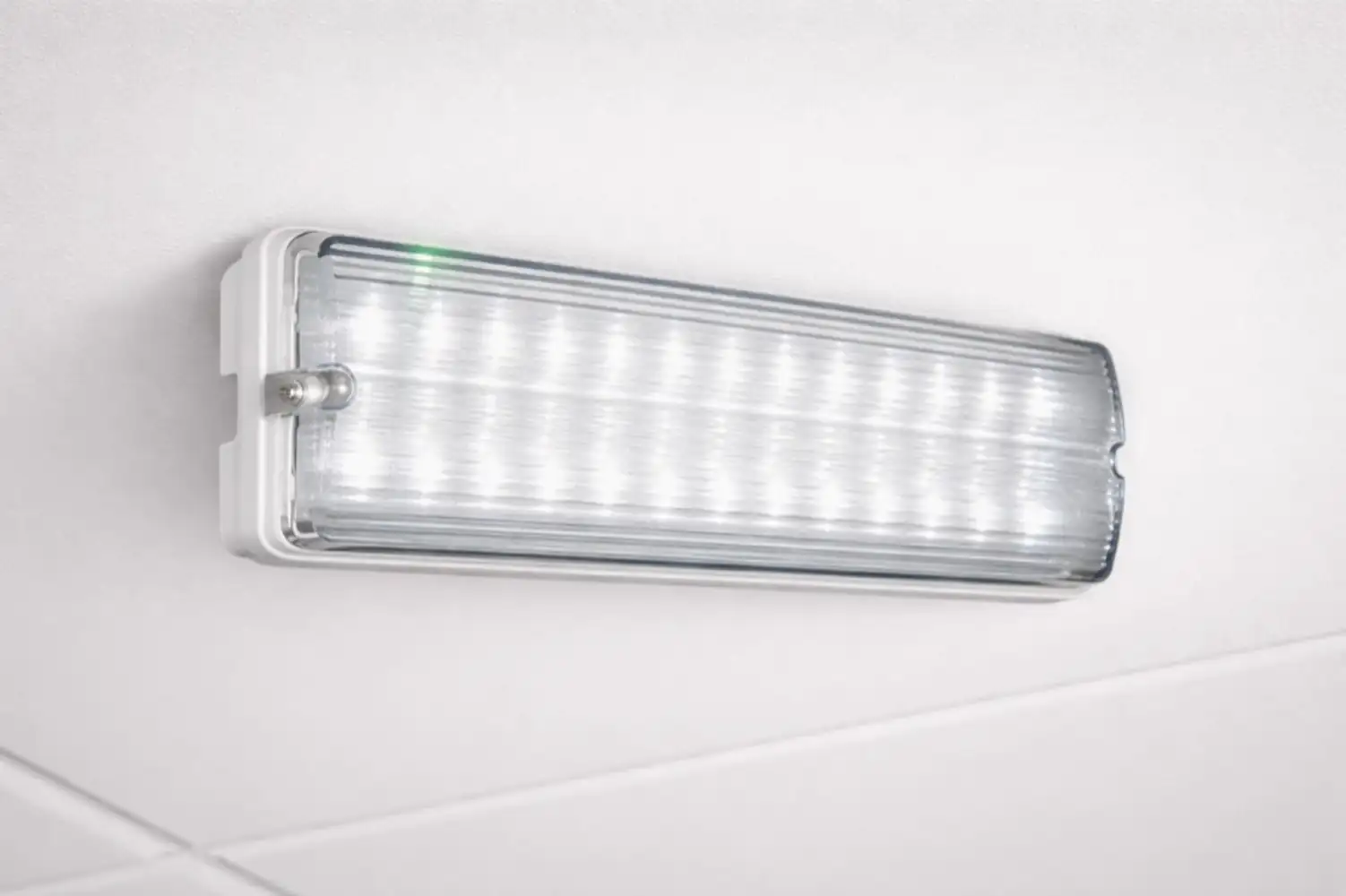
Escape routes lit and tested to BS 5266, so everyone can get out if the power fails.
View emergency lighting
Wired, wireless and monitored alarms that protect your building, stock and people.
View intruder alarms
HD and 4K cameras with secure recording and remote viewing from your phone.
View CCTV
Sensors and alerts that catch escaping water before it damages your building.
View leak detection
Quick, tidy fixes for the actions raised in assessments, inspections and service visits.
View remedial works