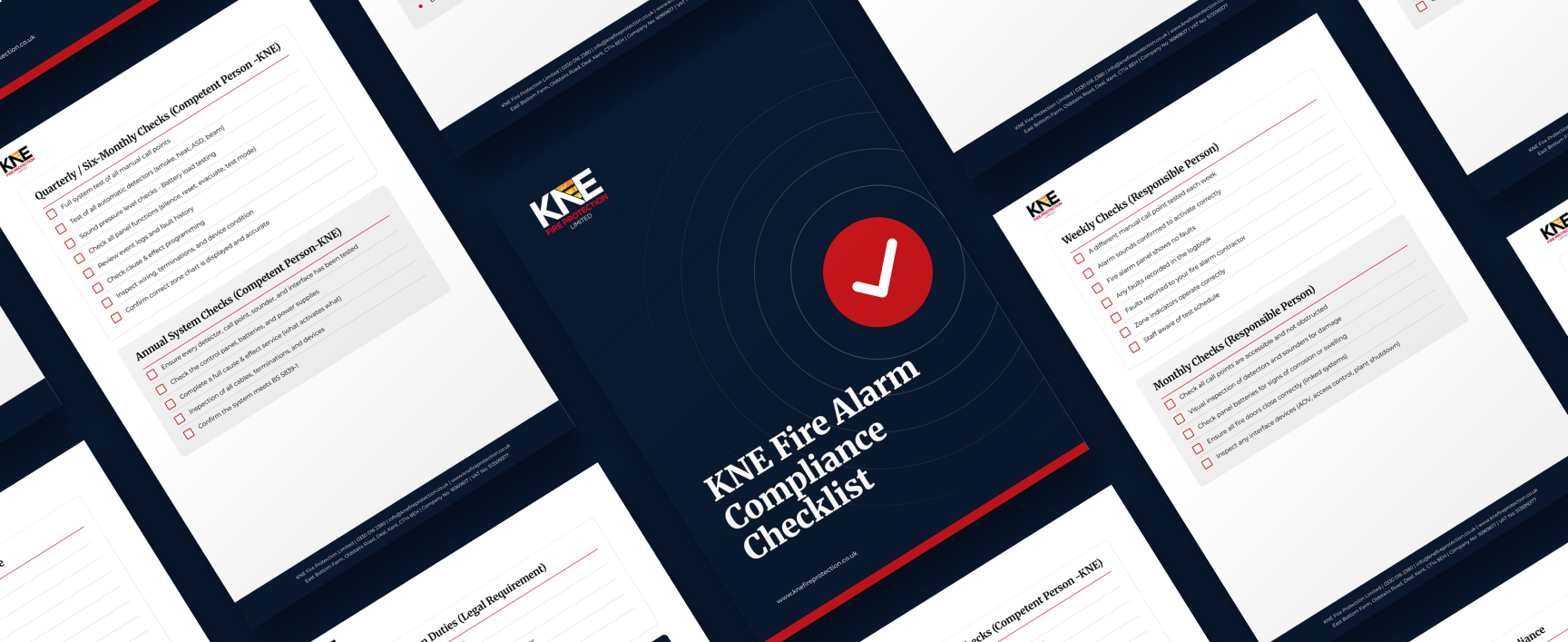
Conventional Fire Alarms
A cost effective choice for smaller buildings, with detectors grouped into zones so you know which area has activated.
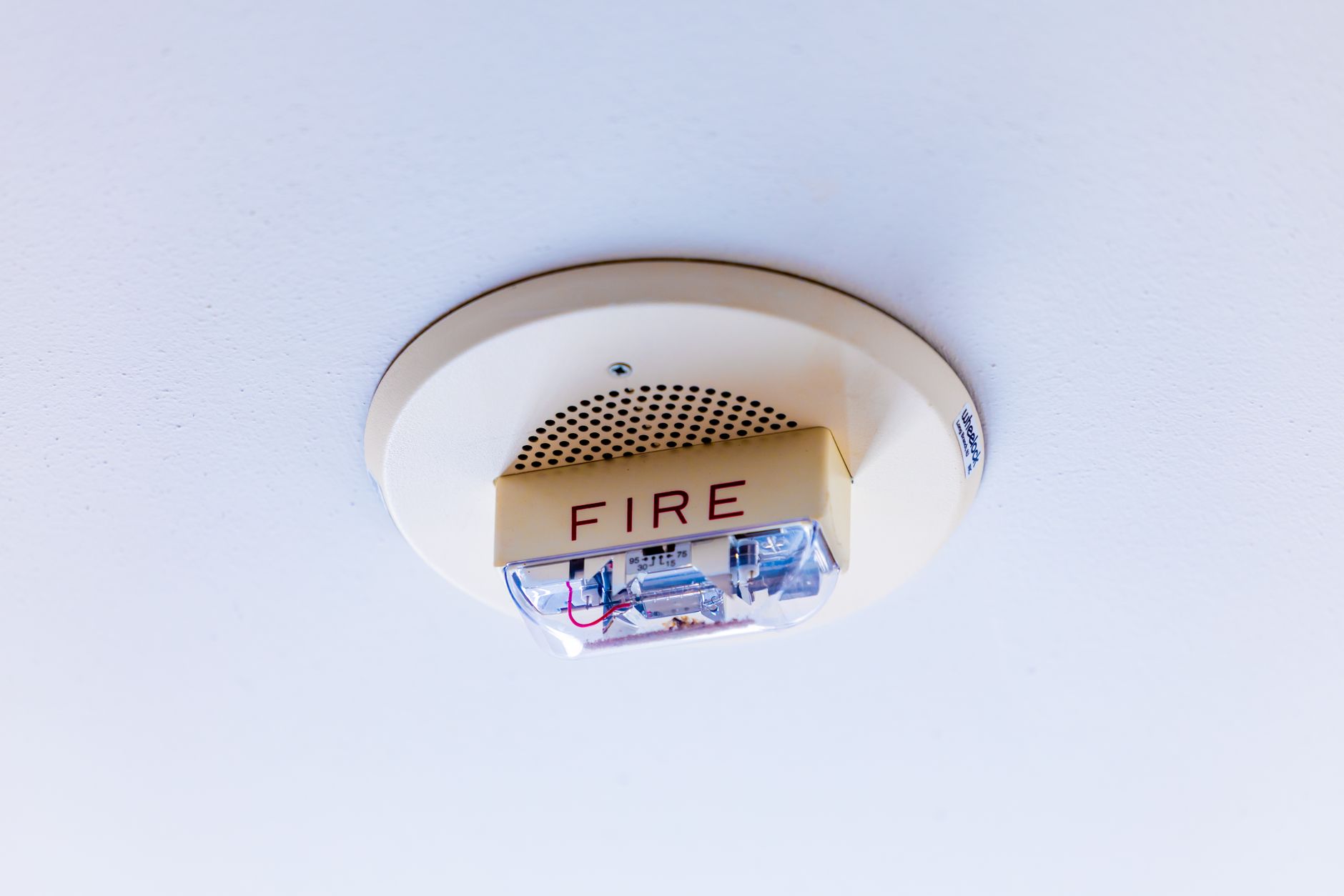
Fire alarm systems designed, installed and maintained to BS 5839, so your building gets the earliest possible warning and you stay compliant.
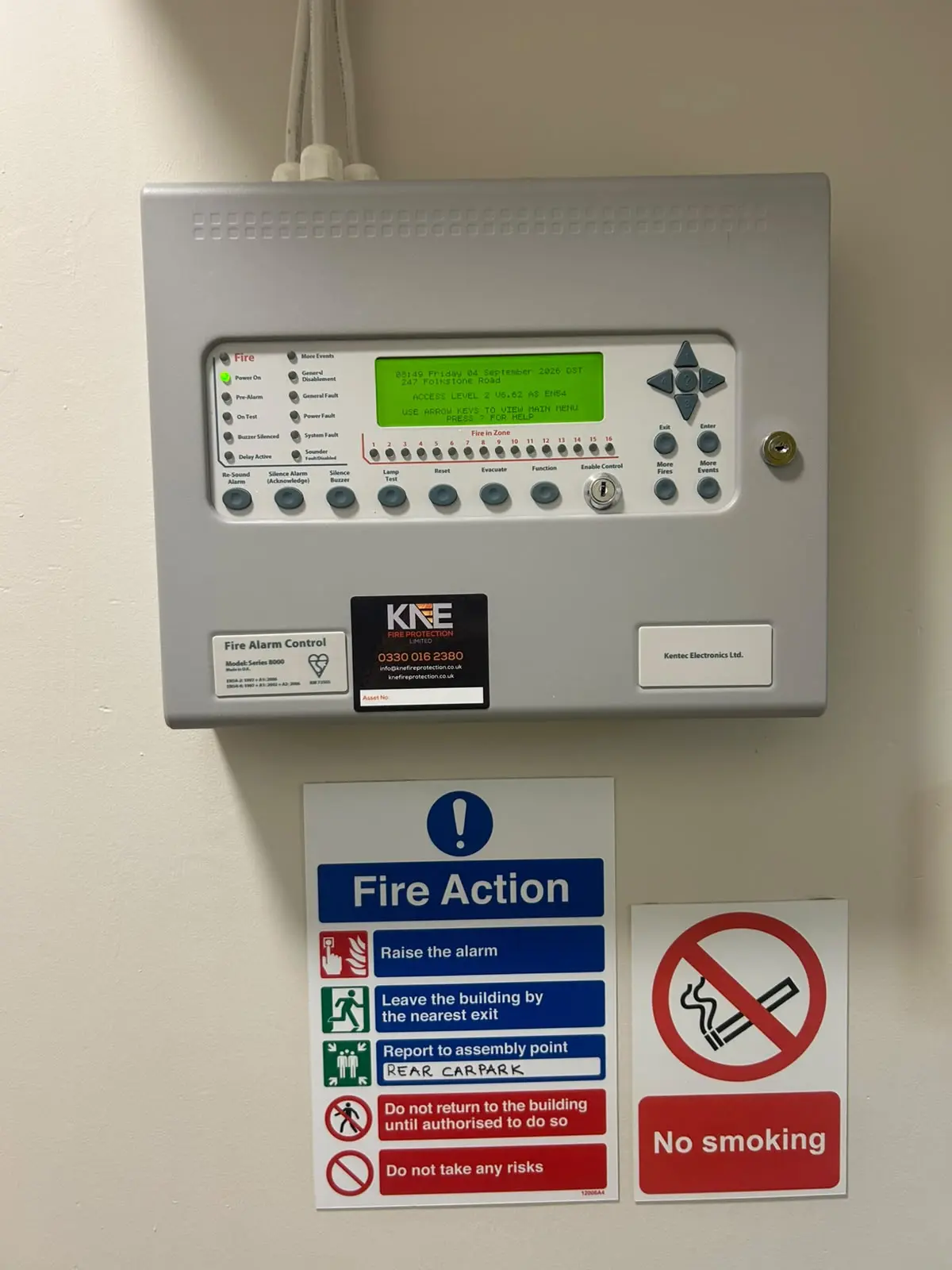
A fire alarm is only as good as its design and upkeep. We make sure yours is right for your building, works every time and meets the British Standard.
From a single panel in a small office to networked systems across a whole estate, our engineers handle every stage. You get one point of contact, clear advice and the paperwork you need to show your system is compliant.
We visit your building, look at how it is used and review your fire risk assessment.
You get a clear, fixed quote with a system designed around your building and budget.
Our engineers install and commission the system with minimal disruption, then talk you through it.
We book in six-monthly visits and send your certificates, so you are always compliant.
Common questions about fire alarm systems, servicing and compliance.
Our team is happy to help. Call us on 0330 016 2380 or send us a message.
British Standard BS 5839-1 recommends that your fire alarm is inspected and serviced by a competent engineer at least every six months. You should also test a different call point every week and record it in your logbook. A maintenance contract with us means every visit is booked in for you, so nothing gets missed.
A conventional system groups detectors into zones, so the panel tells you which area has activated but not which device. An addressable system gives every detector and call point its own address, so the panel shows the exact location. Addressable systems cost more up front but save time in an emergency and make faults far quicker to trace, which is why they suit larger or multi-occupancy buildings.
BS 5839-1 sets out categories from M (manual call points only) through L1 to L5 for protecting life, and P1 or P2 for protecting property. The right one depends on how the building is used, who sleeps there and what your fire risk assessment says. We will review your assessment and recommend the category that meets your duties without over-specifying.
A small conventional system in an office or shop is often fitted in one to two days. Larger addressable systems across several floors can take a week or more, and wireless systems are usually quicker because there is far less cabling. We give you a clear programme with your quote and plan the work around your occupants.
False alarms are usually caused by the wrong type of detector in the wrong place, such as a smoke detector near a kitchen or shower, or by dust, steam, ageing devices and wiring faults. We investigate the cause rather than just resetting the panel, then swap detector types, reposition devices or repair the fault so the alarm only sounds when it should.
Yes. We can connect your panel to an alarm receiving centre, which is staffed around the clock and can call keyholders or the fire service as soon as the alarm activates. It is often a condition of insurance for empty or high value premises, and particularly useful for buildings that are unoccupied at night or over weekends.
BS 5839-1 recommends a logbook kept near the panel, recording weekly tests, service visits, false alarms, faults and any changes to the system. Fire officers and insurers will often ask to see it. We fill in our part at every visit and can supply a new logbook if yours is missing or full.
Tell us a little about your building and what you need. A member of our team will get back to you within one working day with clear, no obligation advice. For emergencies, call our 24 hour line.
From emergency lighting to fire risk assessments, everything you need to keep your building safe and compliant.
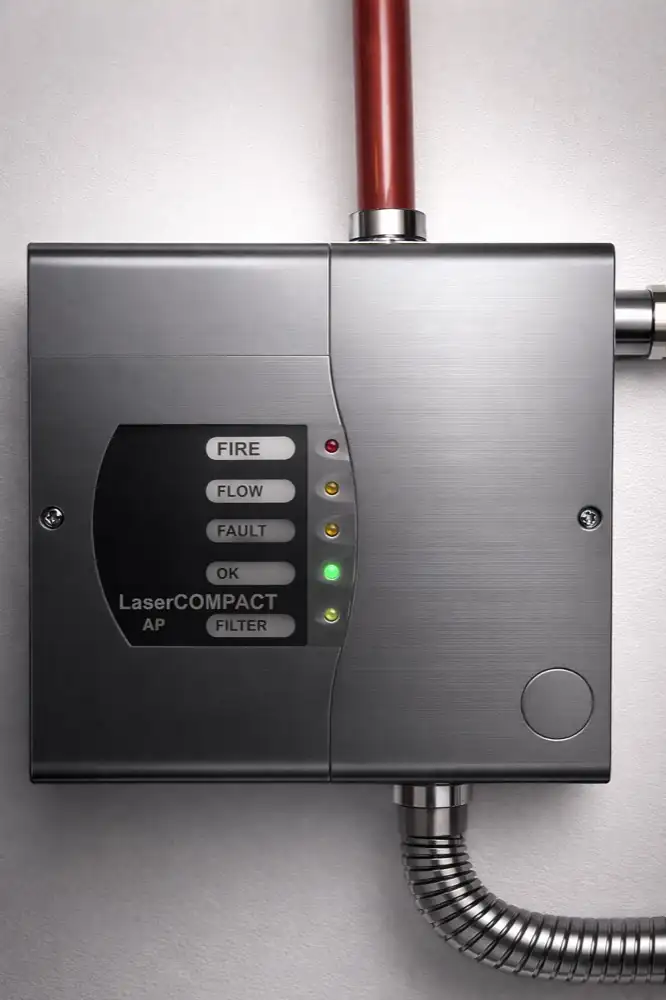
Air sampling detection that picks up smoke long before a standard detector, ideal for critical spaces.
View aspirating detection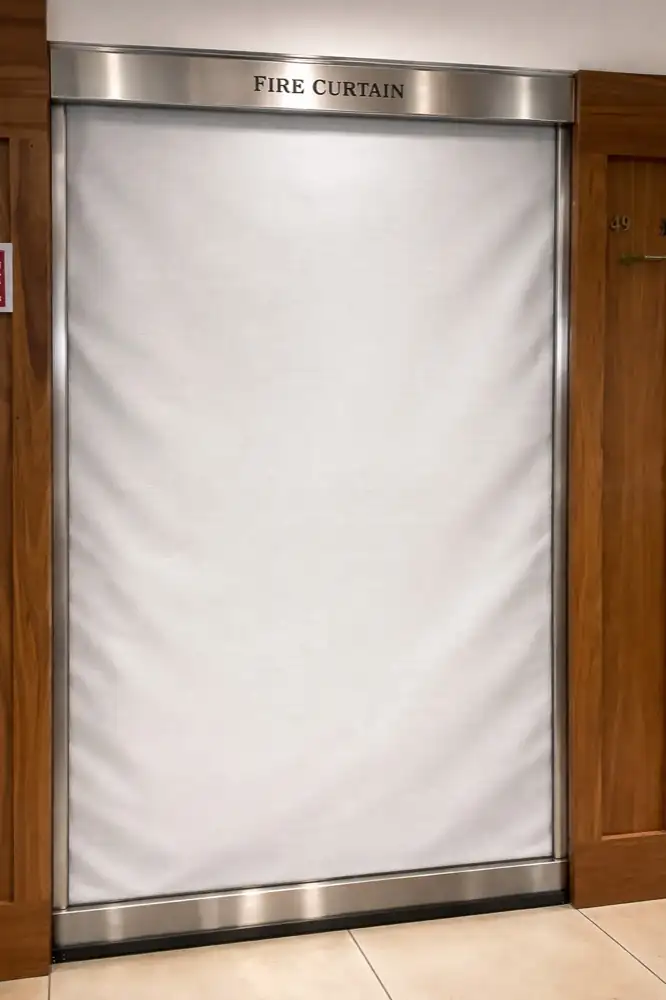
Automatic curtains and shutters that hold back fire and smoke while keeping open layouts open.
View fire curtains
Clear, practical assessments that show exactly where you stand and what needs doing.
View fire risk assessments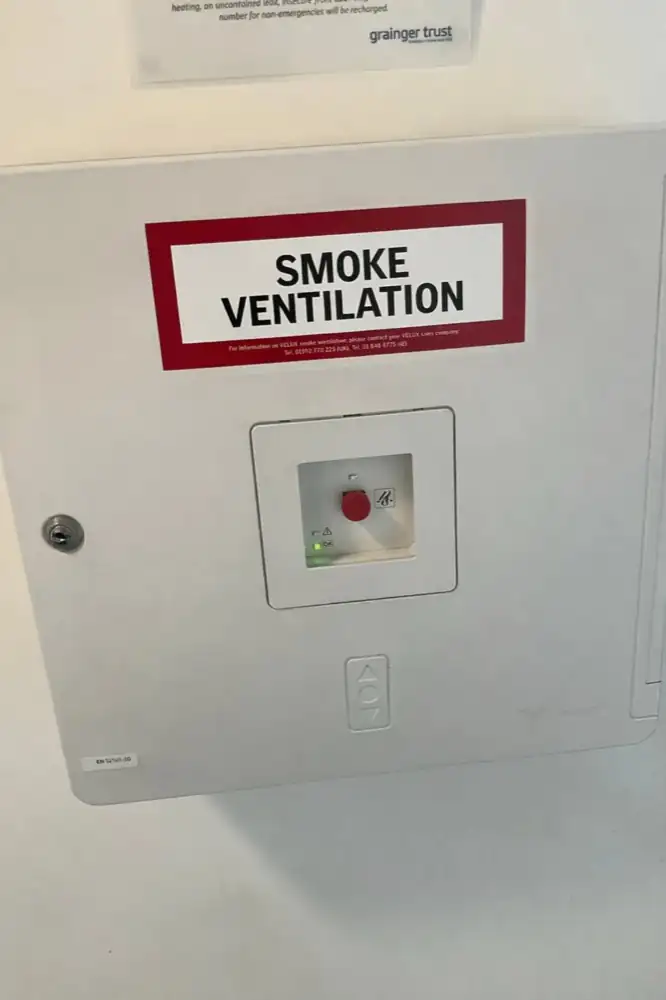
Automatic opening vents that clear smoke from stairwells and corridors, keeping escape routes usable.
View smoke vents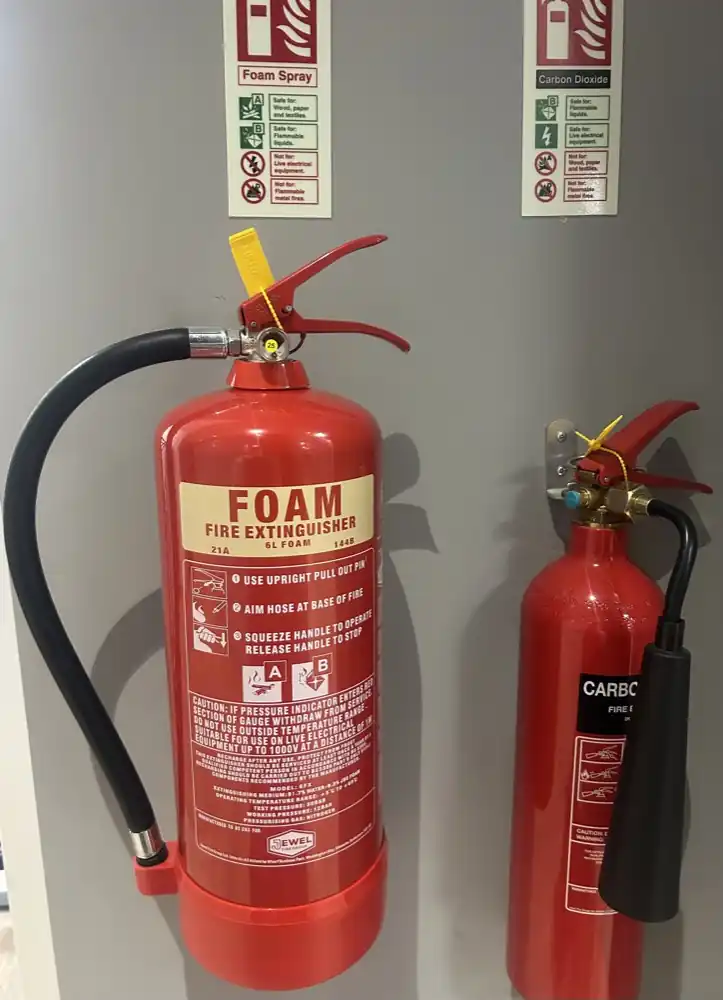
The right extinguishers for your risks, supplied, fitted and serviced every year.
View fire extinguishers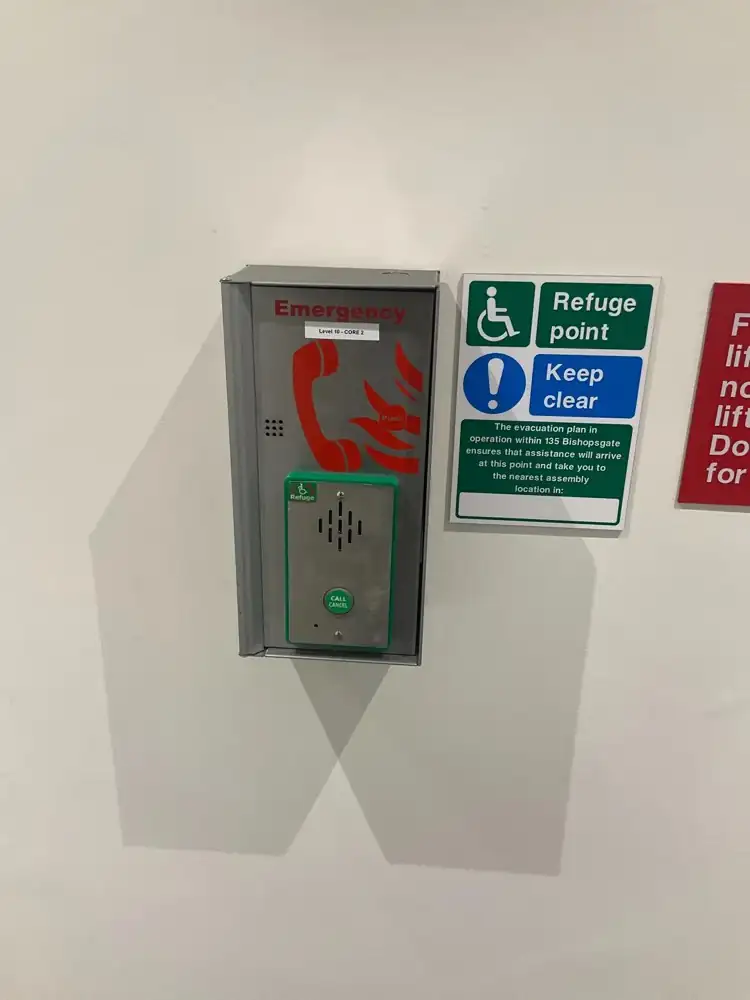
Two-way emergency voice communication so anyone waiting in a refuge can always reach help.
View refuge systems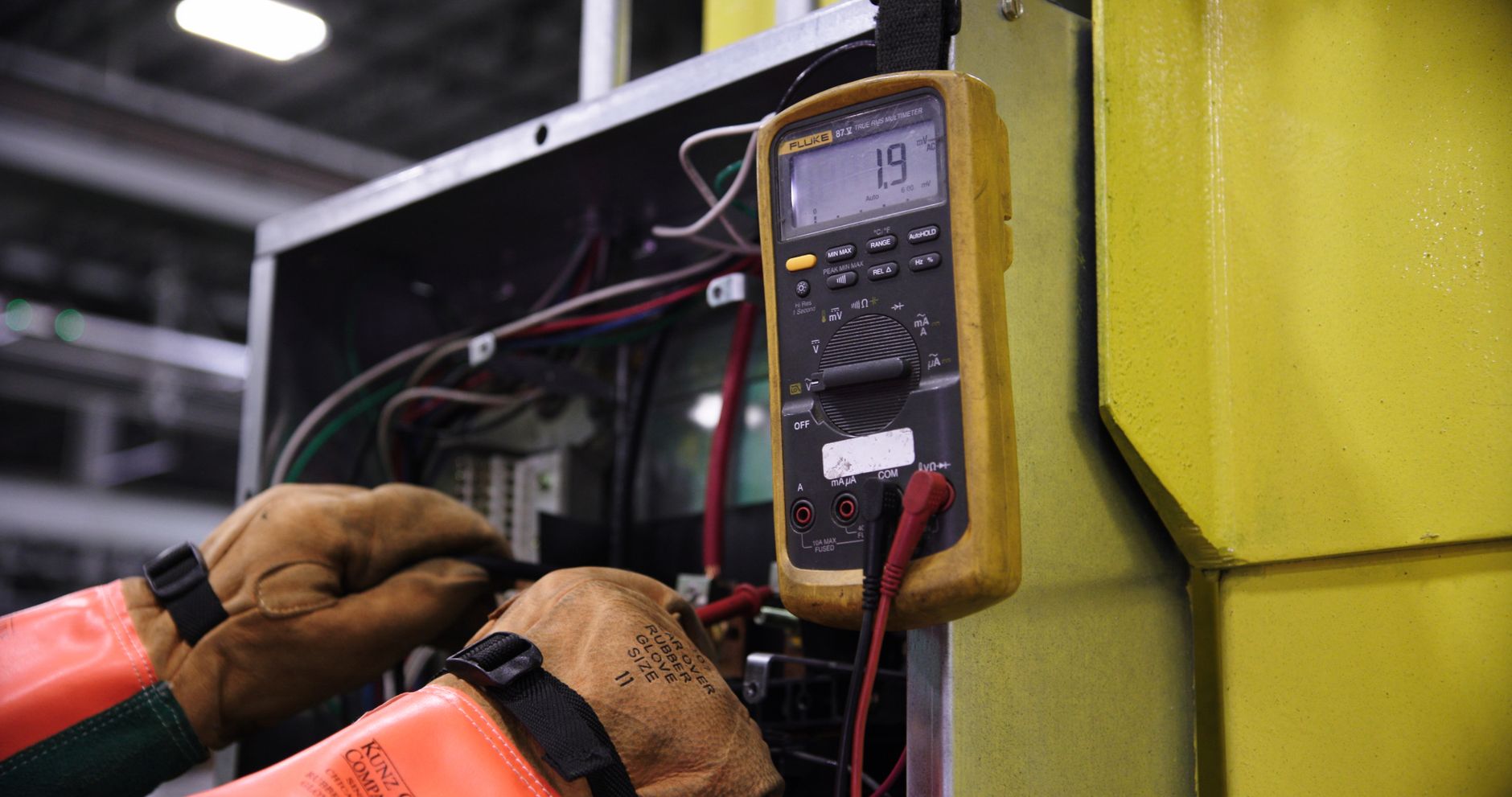
Your alarm, doors, vents, lifts and plant programmed and tested to respond together.
View cause and effects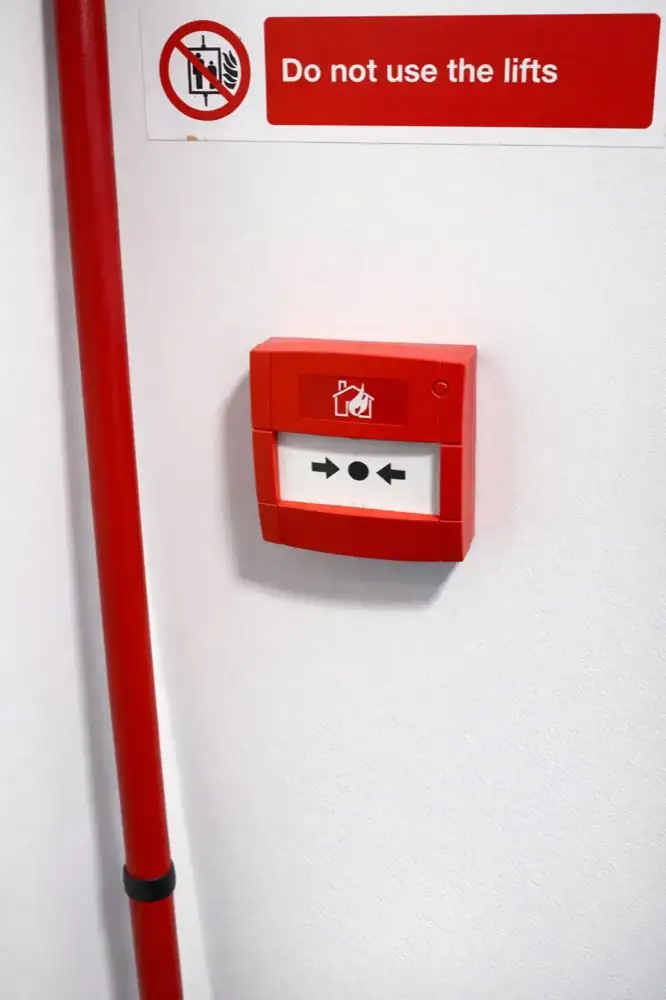
Weekly call point tests carried out and logged for you, so the checks never get missed.
View weekly testing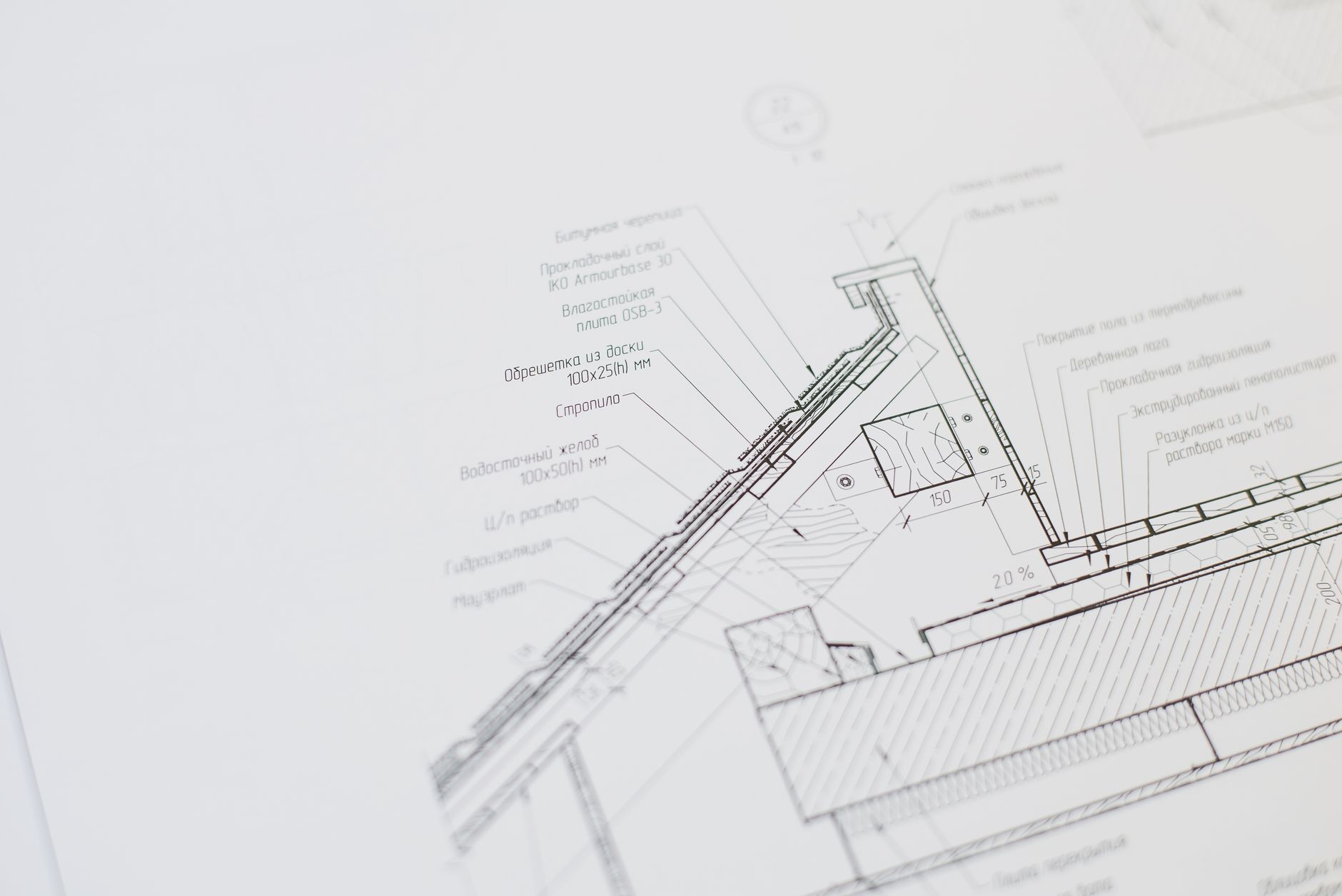
Clear zone plans beside your panel that show responders exactly where an alarm came from.
View zone charts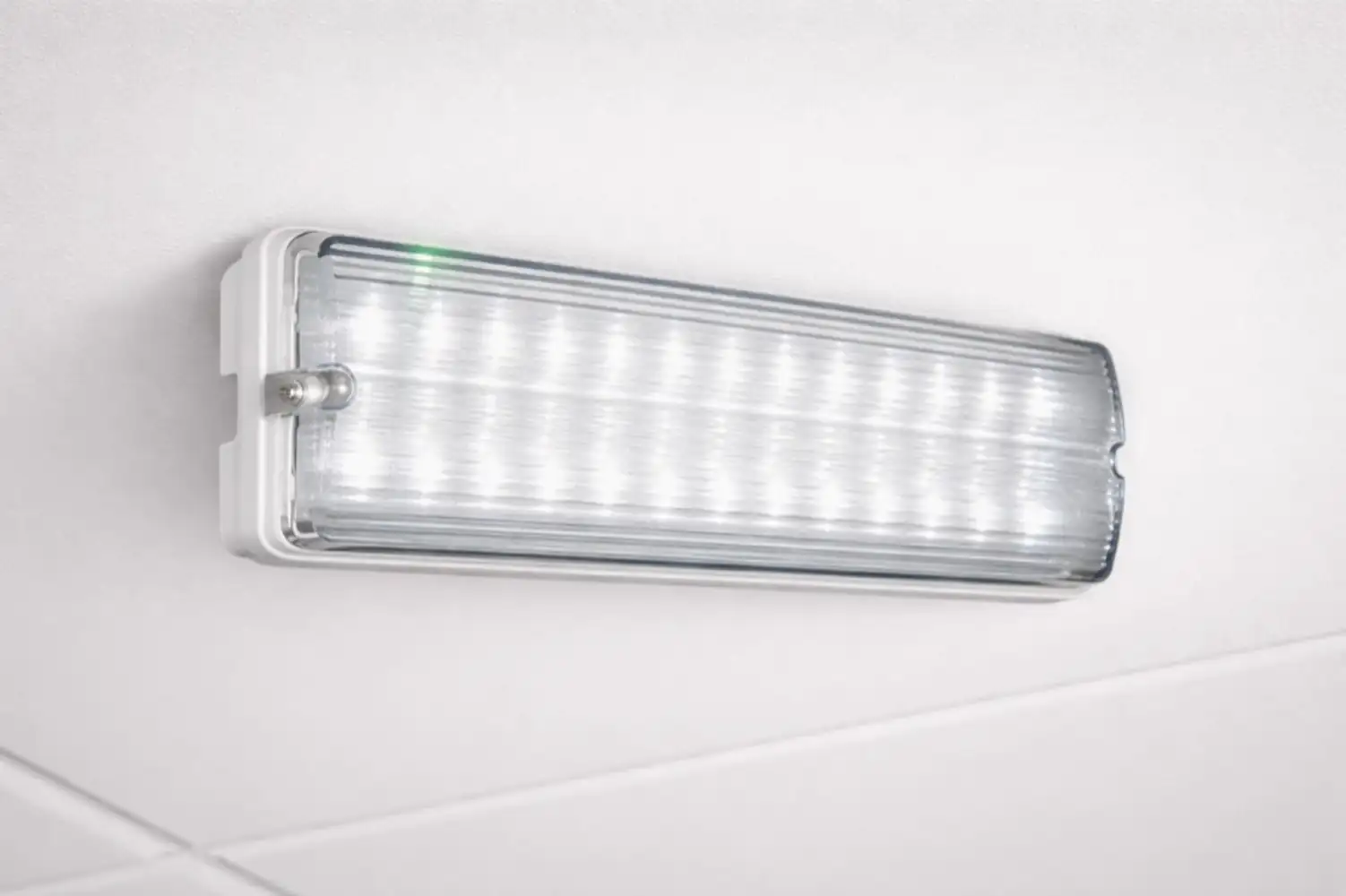
Escape routes lit and tested to BS 5266, so everyone can get out if the power fails.
View emergency lighting
Wired, wireless and monitored alarms that protect your building, stock and people.
View intruder alarms
HD and 4K cameras with secure recording and remote viewing from your phone.
View CCTV
Sensors and alerts that catch escaping water before it damages your building.
View leak detection
Quick, tidy fixes for the actions raised in assessments, inspections and service visits.
View remedial works