Server Rooms & Data Centres
Spots overheating equipment early, so you can act before a fire causes costly downtime.

Very early warning smoke detection that samples the air continuously, ideal for high value, high risk and hard to reach areas.
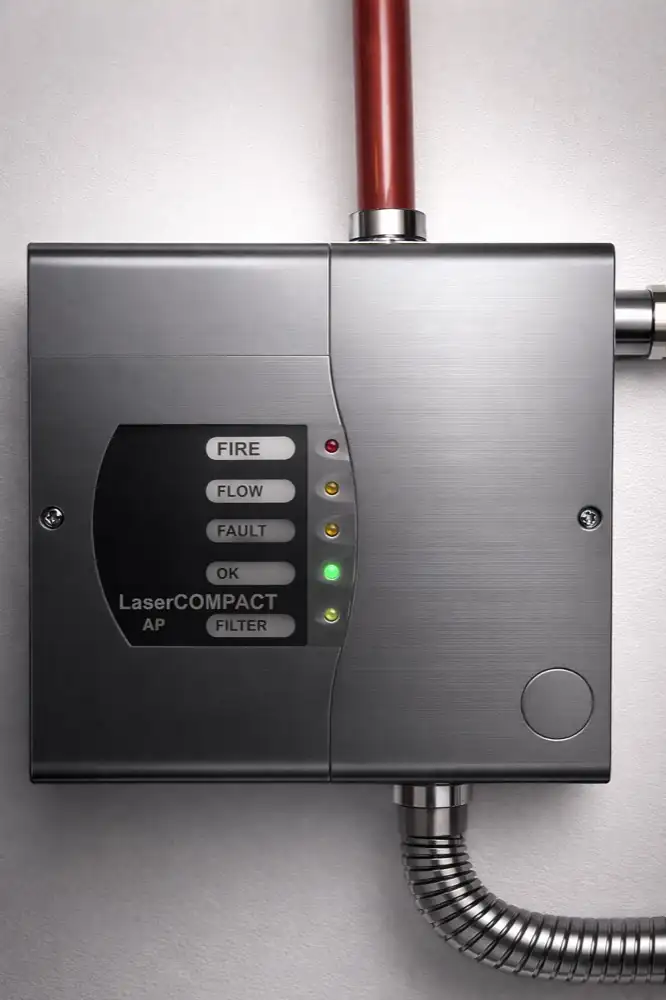
Aspirating smoke detection draws air through a network of small pipes to a highly sensitive detector, spotting smoke long before a standard detector would.
That extra time lets you act before a small problem becomes a serious incident. It is ideal where downtime is costly, ceilings are high, or standard detectors would be hard to reach or easily damaged. We design, install and maintain systems to BS 5839-1 and BS EN 54-20.
We look at the area, airflow and risks to confirm aspirating detection is the right fit.
We design and calculate the pipe network for your space and give you a clear, fixed quote.
We install the pipework and detector, then commission and test it to make sure smoke is picked up fast.
Six-monthly visits check airflow and sensitivity, with a report and certificate every time.
Common questions about aspirating smoke detection.
Our team is happy to help. Call us on 0330 016 2380 or send us a message.
Like the rest of your fire alarm, it should be serviced at least every six months by a competent engineer. We check the pipe network, airflow and detector sensitivity, and give you a report after every visit.
Instead of waiting for smoke to drift into a detector on the ceiling, an aspirating system uses a fan to pull air continuously through small holes in a pipe network and back to a central detector. Because it is actively sampling and far more sensitive, it can pick up the tiny amounts of smoke given off by overheating cables or equipment, often before there are any visible flames.
It is worth considering where early warning protects something valuable, such as IT equipment, stock or heritage interiors, or where ceilings are high, airflow is strong or access is difficult. For a typical office or block of flats, standard point detectors are usually the better value. Our survey will tell you honestly which suits your space.
Yes. Aspirating detectors connect to most fire alarm panels as an input, so an alert or fire signal shows on your main panel just like any other device. We can set separate alert and fire thresholds, so your team gets an early warning to investigate before the building is evacuated.
Not when it is designed properly. Each system is set up with staged thresholds and tuned to the normal background conditions of the space, so dust or everyday activity does not trigger it. Many detectors also filter out dust particles, and we review the settings during servicing if the use of the area changes.
It measures how long smoke takes to travel from the furthest sampling hole back to the detector. BS EN 54-20 and the system design set a maximum time, so we test it at commissioning and on service visits to prove that a blocked hole, cracked pipe or tired fan has not slowed the system down.
It is one of the best options for historic interiors. The pipework can be hidden in roof voids or behind cornices, and the only visible sign in each room is a small sampling point or a fine capillary tube. That means you get excellent protection with far less visual impact than rows of ceiling detectors.
Tell us about the area you need to protect and how it is used. A member of our team will get back to you within one working day with clear, no obligation advice. For emergencies, call our 24 hour line.
From emergency lighting to fire risk assessments, everything you need to keep your building safe and compliant.
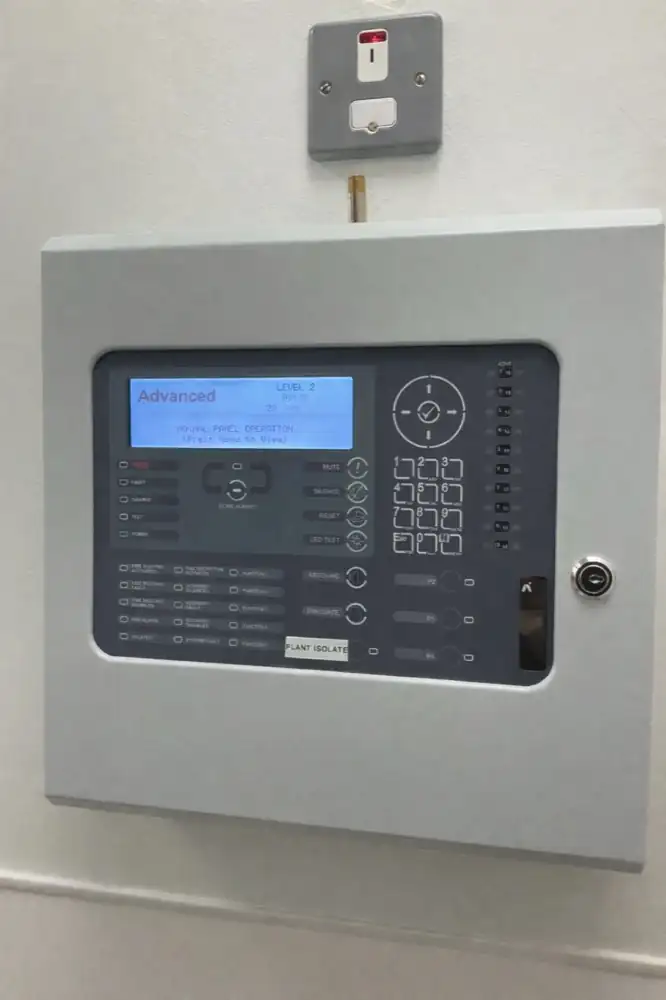
Fire alarms designed, installed and serviced to BS 5839 for the earliest possible warning.
View fire alarms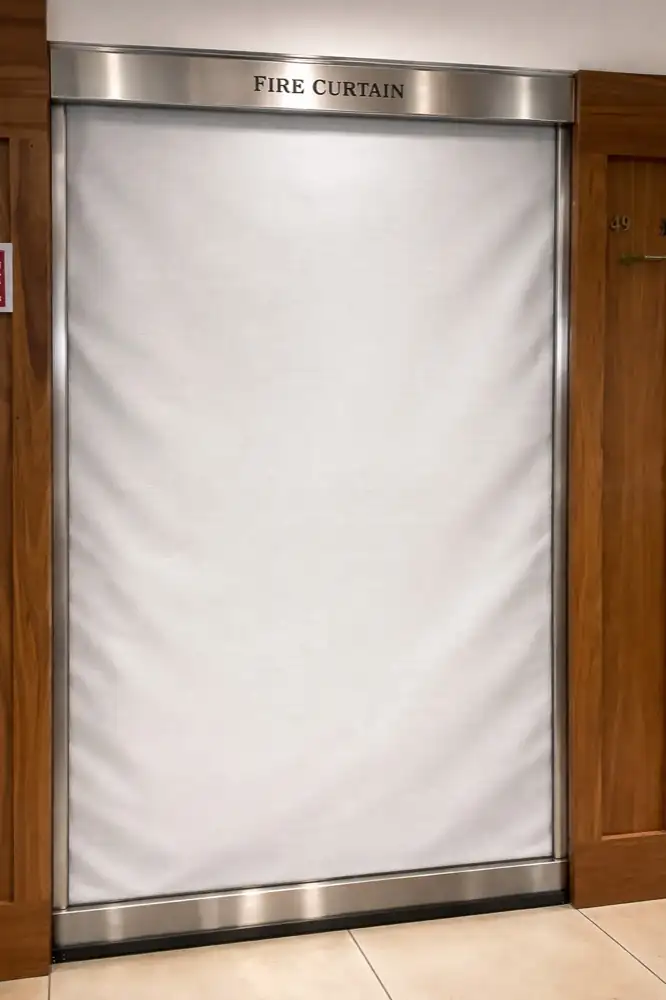
Automatic curtains and shutters that hold back fire and smoke while keeping open layouts open.
View fire curtains
Clear, practical assessments that show exactly where you stand and what needs doing.
View fire risk assessments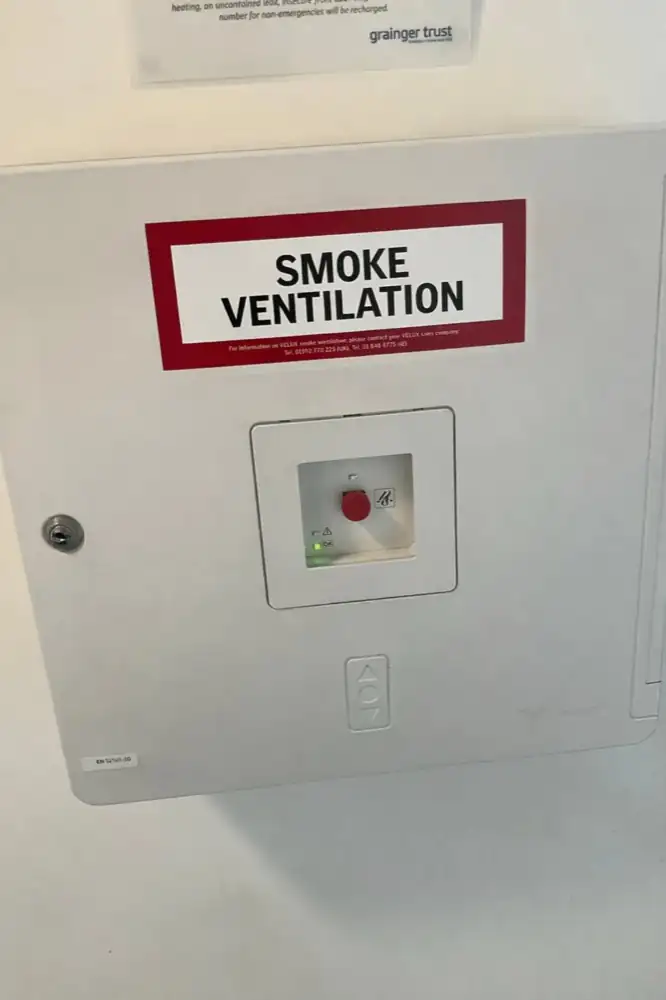
Automatic opening vents that clear smoke from stairwells and corridors, keeping escape routes usable.
View smoke vents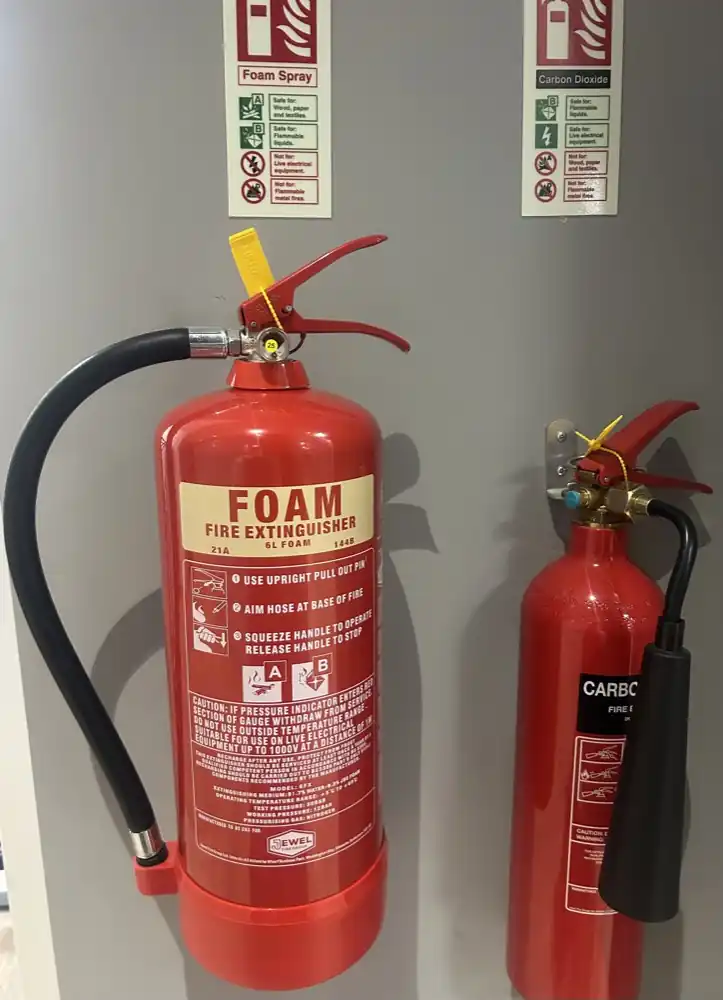
The right extinguishers for your risks, supplied, fitted and serviced every year.
View fire extinguishers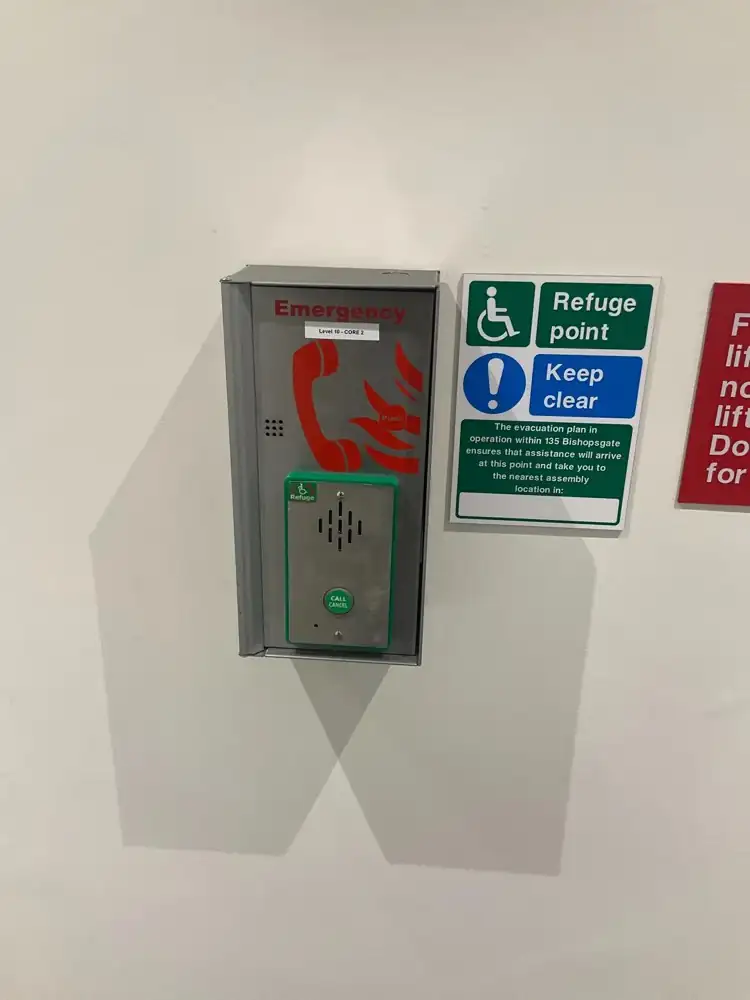
Two-way emergency voice communication so anyone waiting in a refuge can always reach help.
View refuge systems
Your alarm, doors, vents, lifts and plant programmed and tested to respond together.
View cause and effects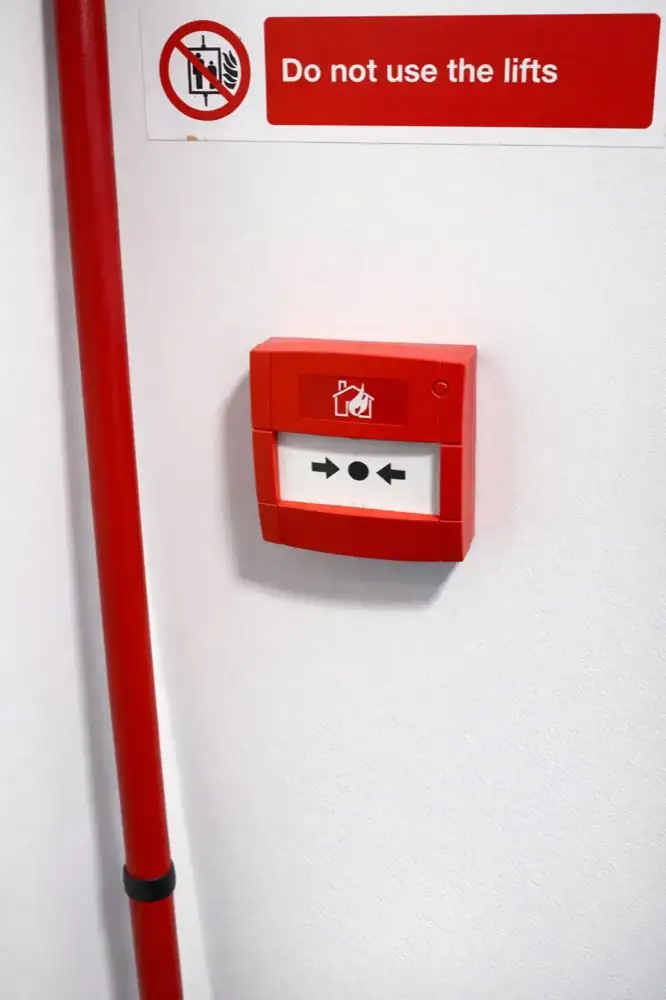
Weekly call point tests carried out and logged for you, so the checks never get missed.
View weekly testing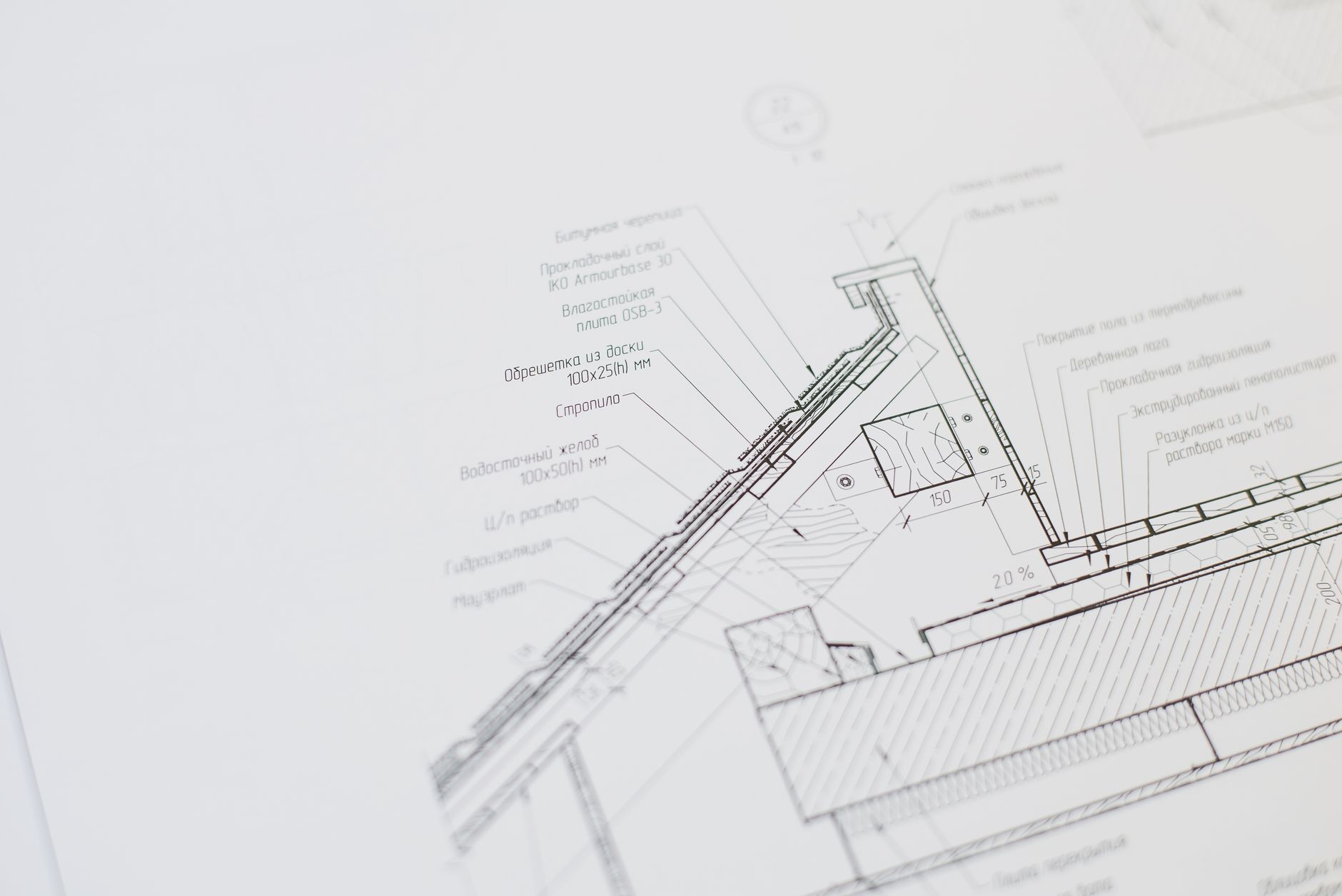
Clear zone plans beside your panel that show responders exactly where an alarm came from.
View zone charts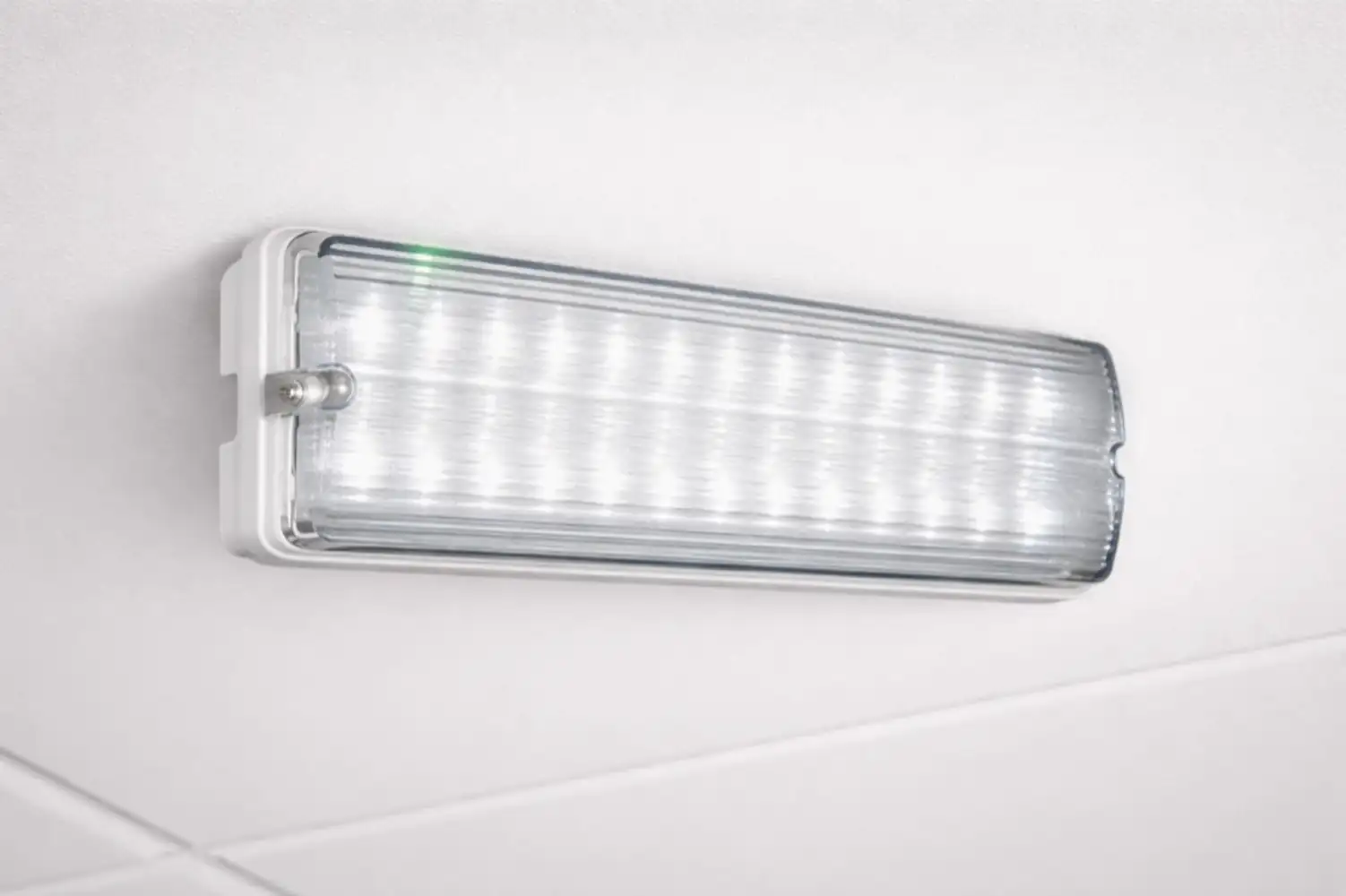
Escape routes lit and tested to BS 5266, so everyone can get out if the power fails.
View emergency lighting
Wired, wireless and monitored alarms that protect your building, stock and people.
View intruder alarms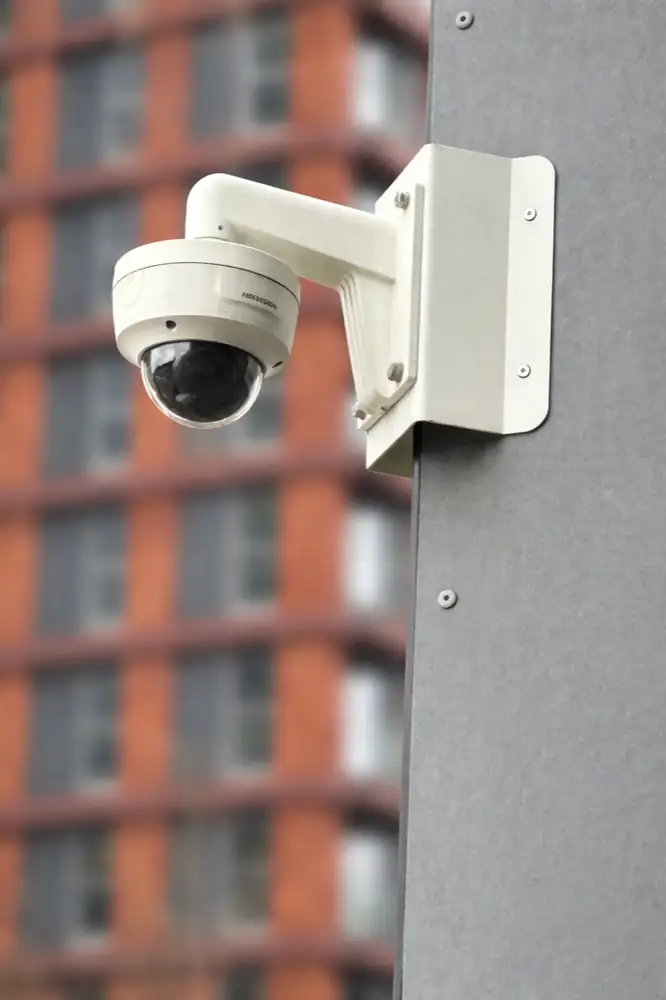
HD and 4K cameras with secure recording and remote viewing from your phone.
View CCTV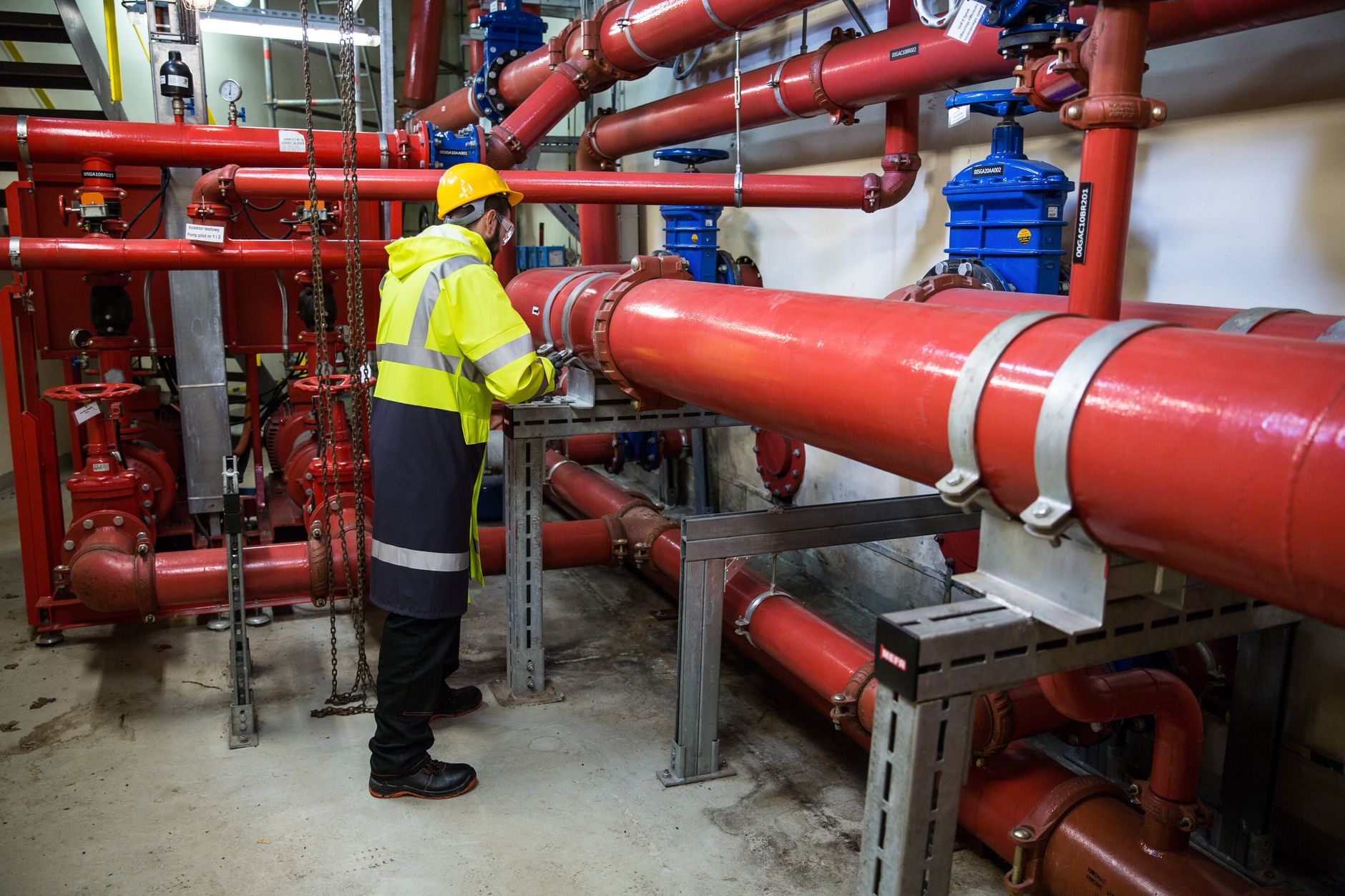
Sensors and alerts that catch escaping water before it damages your building.
View leak detection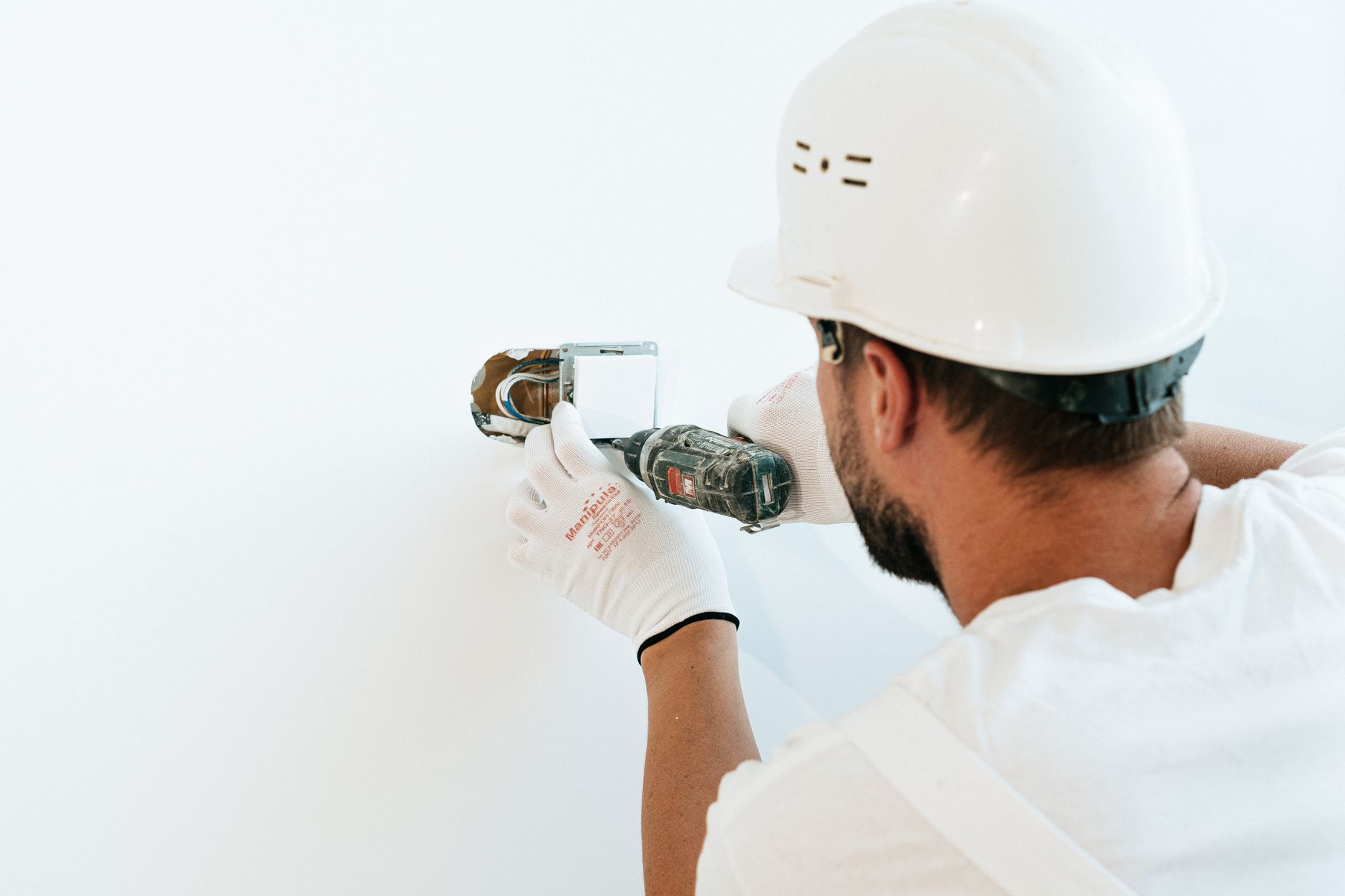
Quick, tidy fixes for the actions raised in assessments, inspections and service visits.
View remedial works