Fire Hazards
Sources of ignition, fuel and oxygen, from electrical equipment to waste storage.
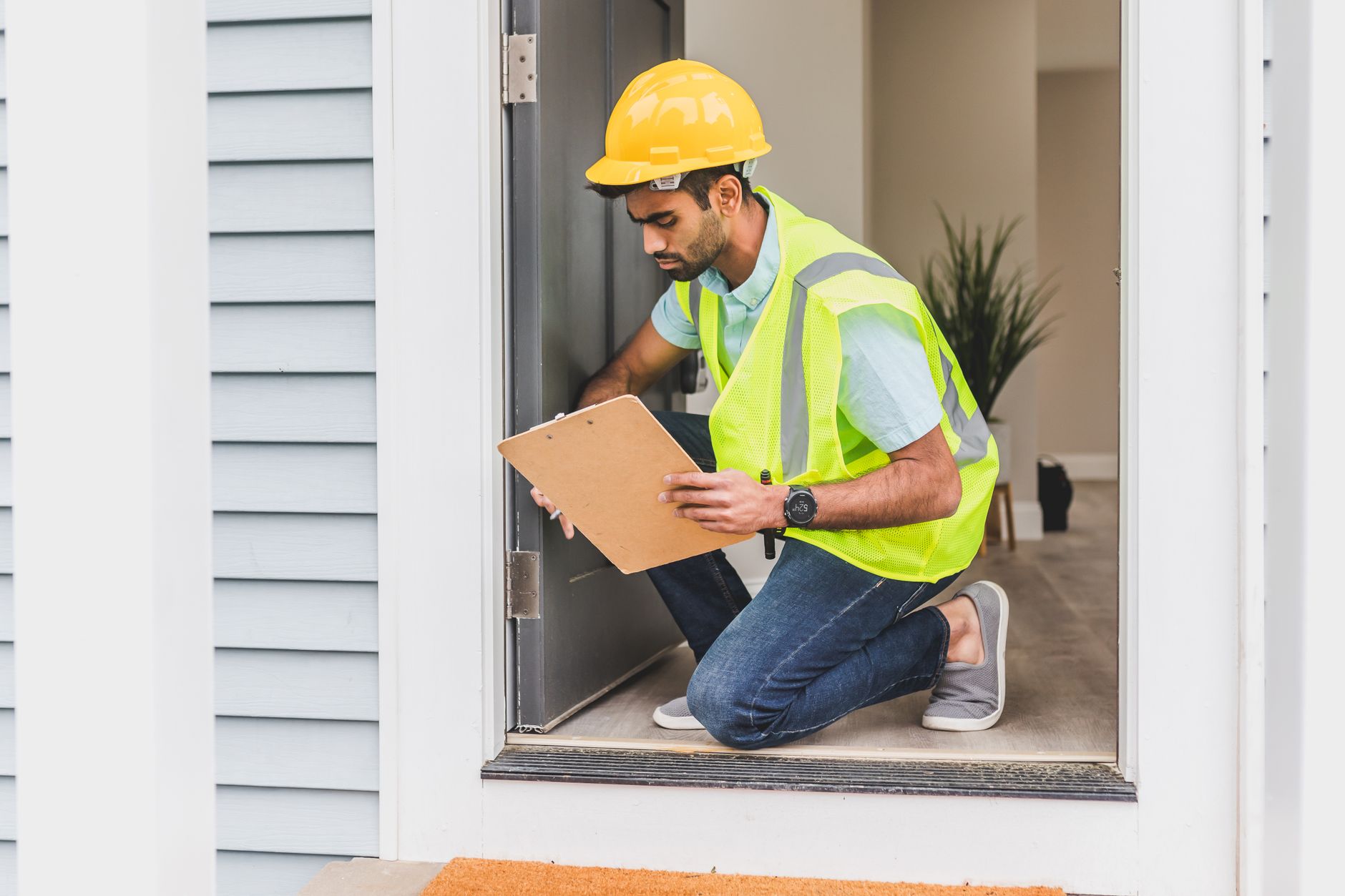
Clear, practical fire risk assessments that show you exactly where you stand, what needs doing and how to stay on the right side of the law.
If you are responsible for a non-domestic building or the communal areas of a block of flats, a suitable and sufficient fire risk assessment is a legal requirement.
Our assessors inspect your premises, identify fire hazards and the people at risk, and check your fire safety measures. You get a clear written report with prioritised actions in plain English, so you know exactly what to do next. If anything needs fixing, we can take care of that too.
Tell us about your building and we will arrange a visit at a time that suits you.
Our assessor walks the whole building, checking hazards, escape routes and fire safety systems.
You receive a clear written report with prioritised actions, explained in plain English.
We can complete the actions for you and review your assessment regularly or after any changes.
Common questions about fire risk assessments.
Our team is happy to help. Call us on 0330 016 2380 or send us a message.
It should be reviewed regularly, and whenever there are significant changes such as building works, a change in use or more people using the building. Many organisations review theirs every year.
Yes, if you are the responsible person for a non-domestic building or the common parts of a block of flats. The Regulatory Reform (Fire Safety) Order 2005 requires a suitable and sufficient assessment, and since October 2023 the whole assessment must be recorded in writing, whatever the size of your business. Not having one can lead to enforcement action, fines and problems with your insurance.
The law says it must be done by a competent person, meaning someone with enough training, experience and knowledge for the type of building. A simple shop may be manageable in house, but for blocks of flats, care settings or complex premises it makes sense to use an experienced, independent assessor who can stand behind their findings.
You receive a written report setting out what we found and a prioritised action plan, from urgent items to longer term improvements. As the responsible person you then need to work through the actions. We can quote for any remedial work, carry it out and update your records once each item is closed off.
A small office or shop usually takes one to two hours on site, while a large block of flats or a multi-storey commercial building can take most of a day. Your written report normally follows within a few working days, and we will tell you straight away if we spot anything that needs urgent attention.
It helps to have your fire alarm, emergency lighting and extinguisher service records, any previous assessments, floor plans, your fire safety policy or evacuation plan, and details of who uses the building. Access to every area, including plant rooms, roof spaces and risers, makes the assessment far more thorough.
A Type 1 assessment looks at the common parts of a block, such as corridors and stairs, without opening up the structure, and is the usual starting point. A Type 3 also includes a sample of the flats themselves, which is useful where there are concerns about flat entrance doors or how fire could spread between homes. We will recommend the type that fits your building.
Tell us about your premises, how it is used and when your last assessment was carried out. A member of our team will get back to you within one working day to arrange a visit. For emergencies, call our 24 hour line.
From emergency lighting to fire risk assessments, everything you need to keep your building safe and compliant.
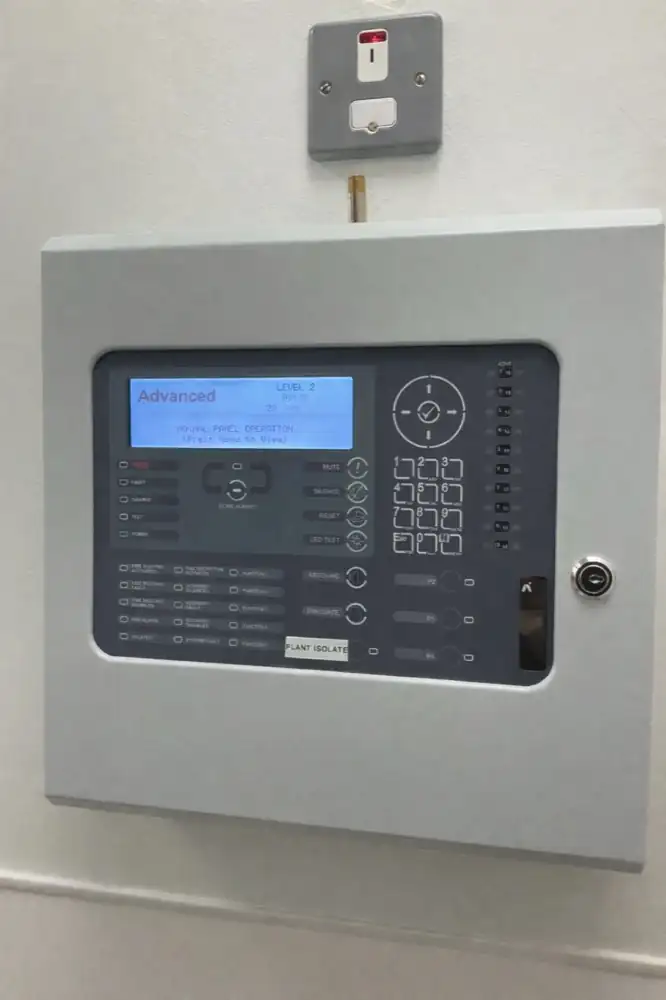
Fire alarms designed, installed and serviced to BS 5839 for the earliest possible warning.
View fire alarms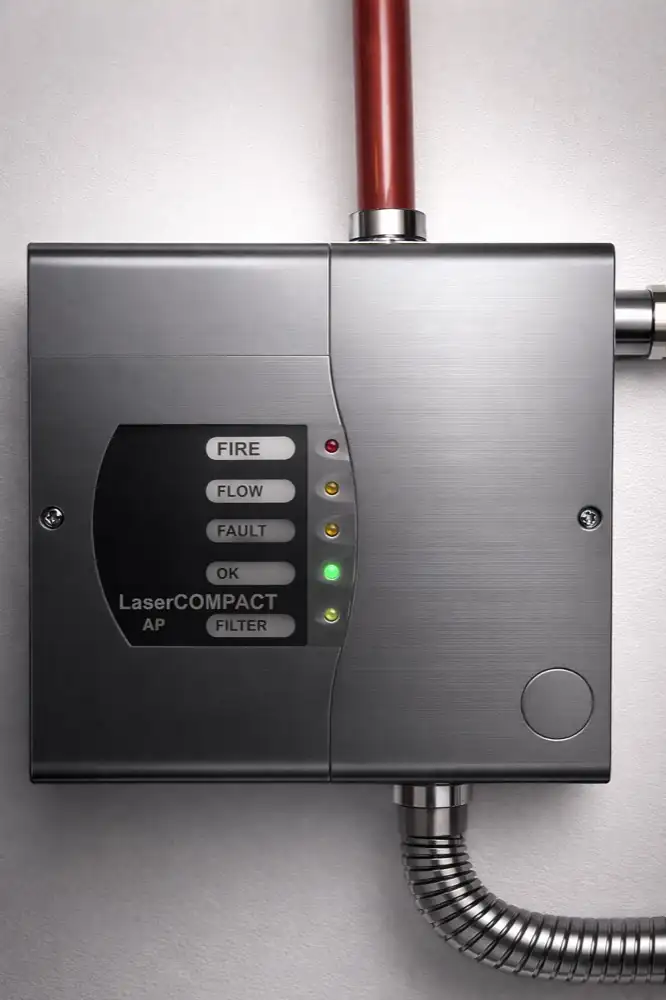
Air sampling detection that picks up smoke long before a standard detector, ideal for critical spaces.
View aspirating detection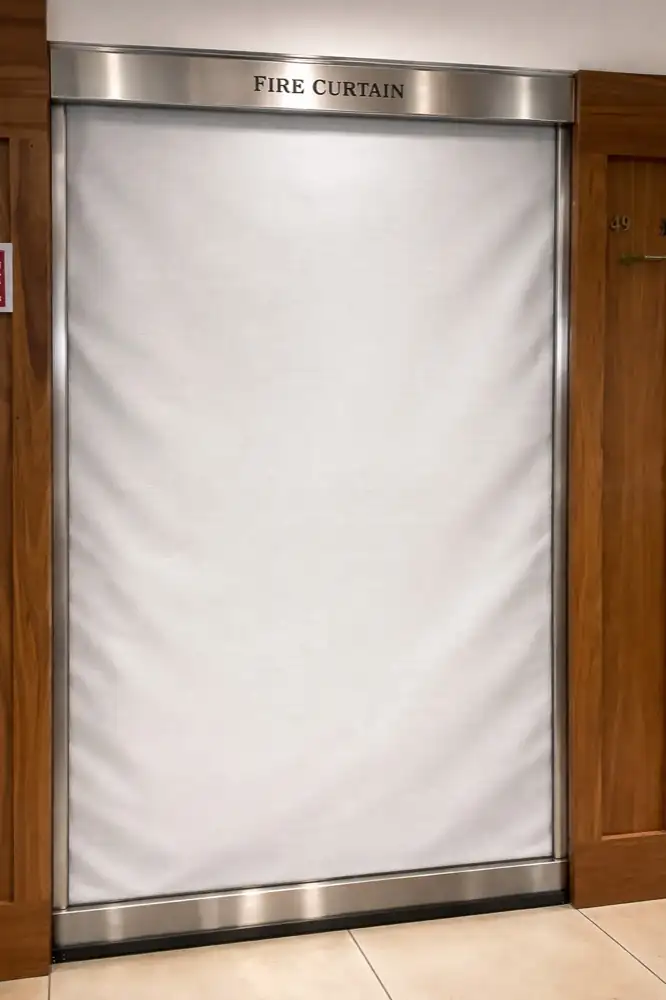
Automatic curtains and shutters that hold back fire and smoke while keeping open layouts open.
View fire curtains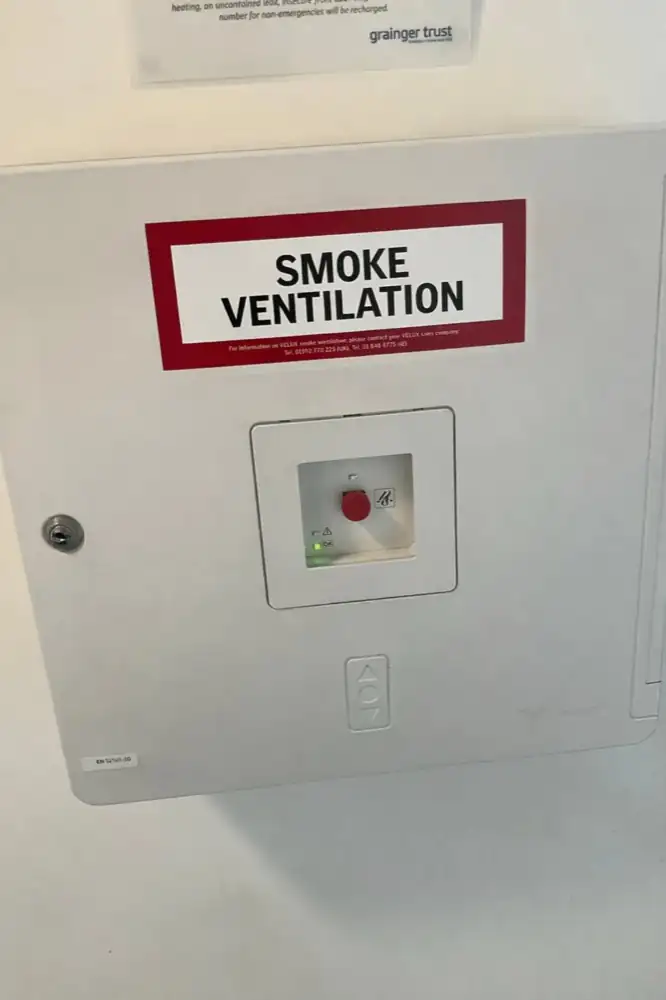
Automatic opening vents that clear smoke from stairwells and corridors, keeping escape routes usable.
View smoke vents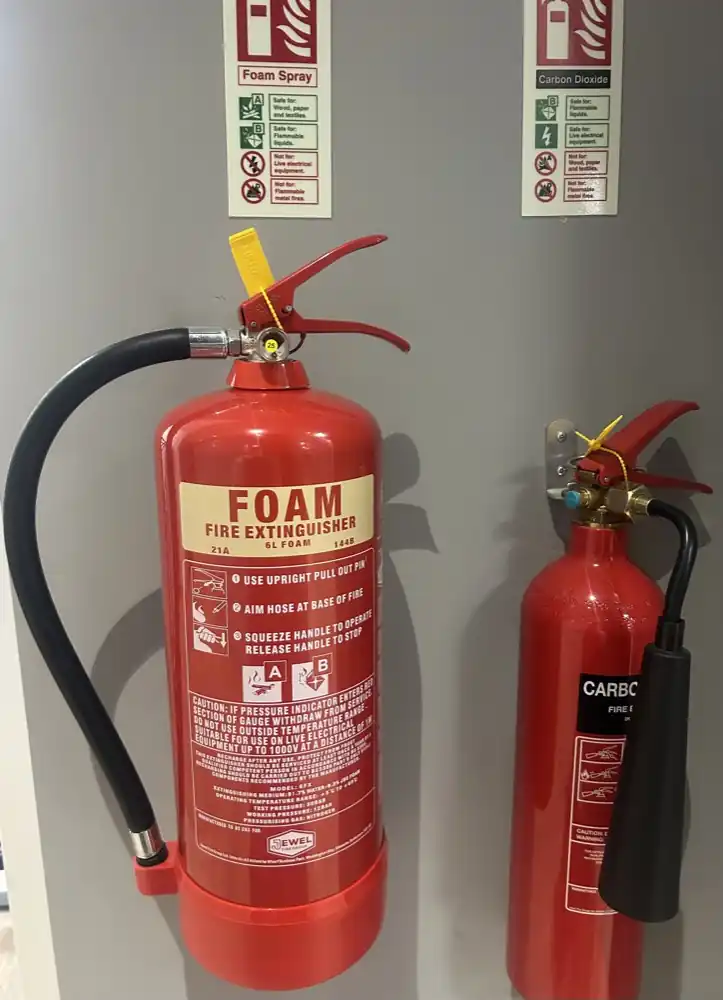
The right extinguishers for your risks, supplied, fitted and serviced every year.
View fire extinguishers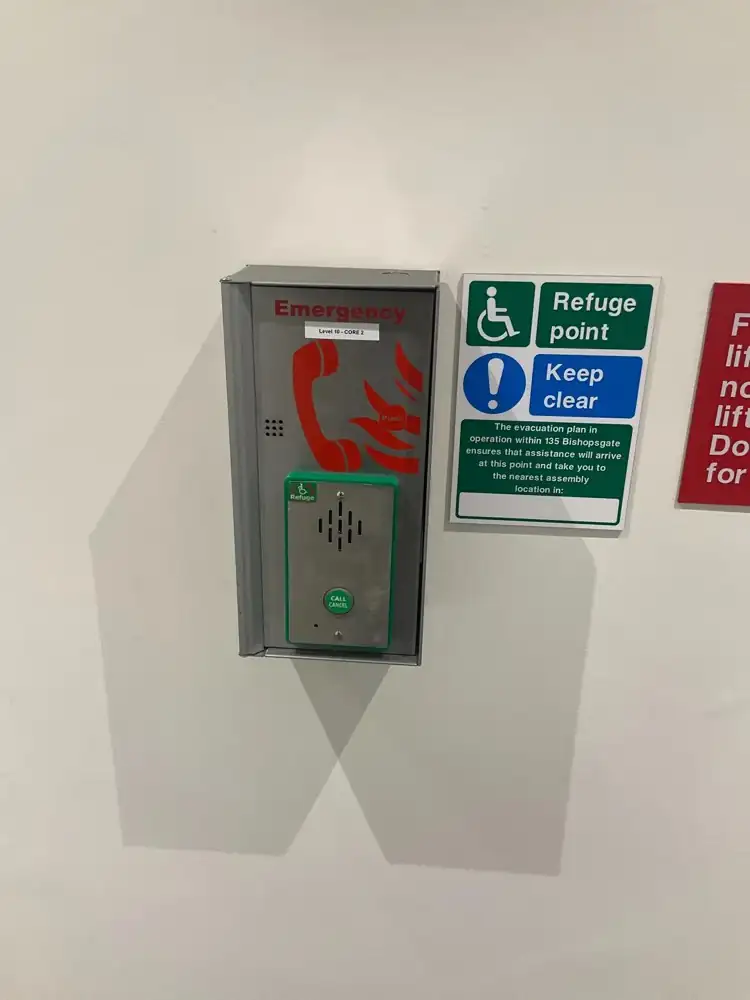
Two-way emergency voice communication so anyone waiting in a refuge can always reach help.
View refuge systems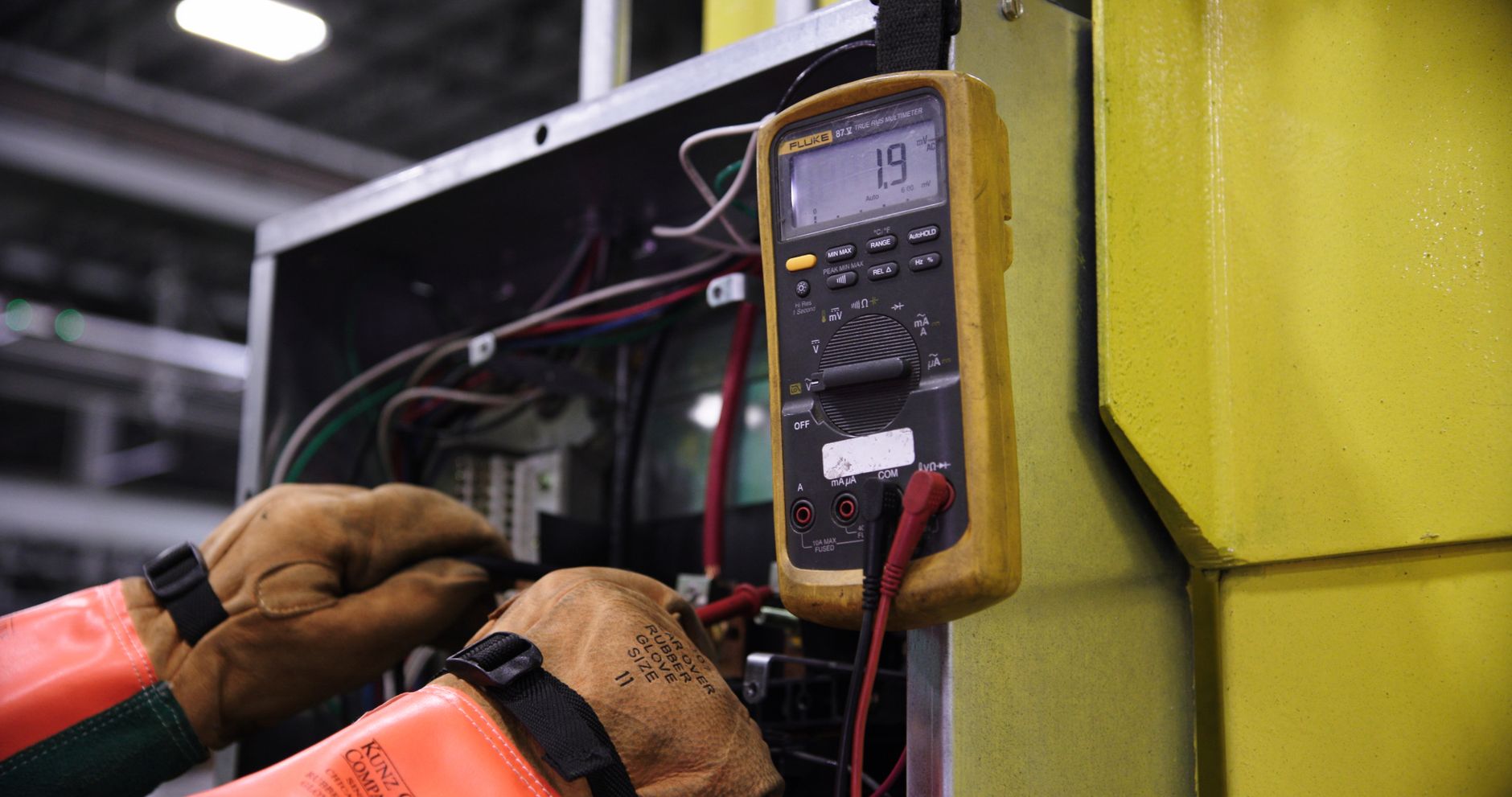
Your alarm, doors, vents, lifts and plant programmed and tested to respond together.
View cause and effects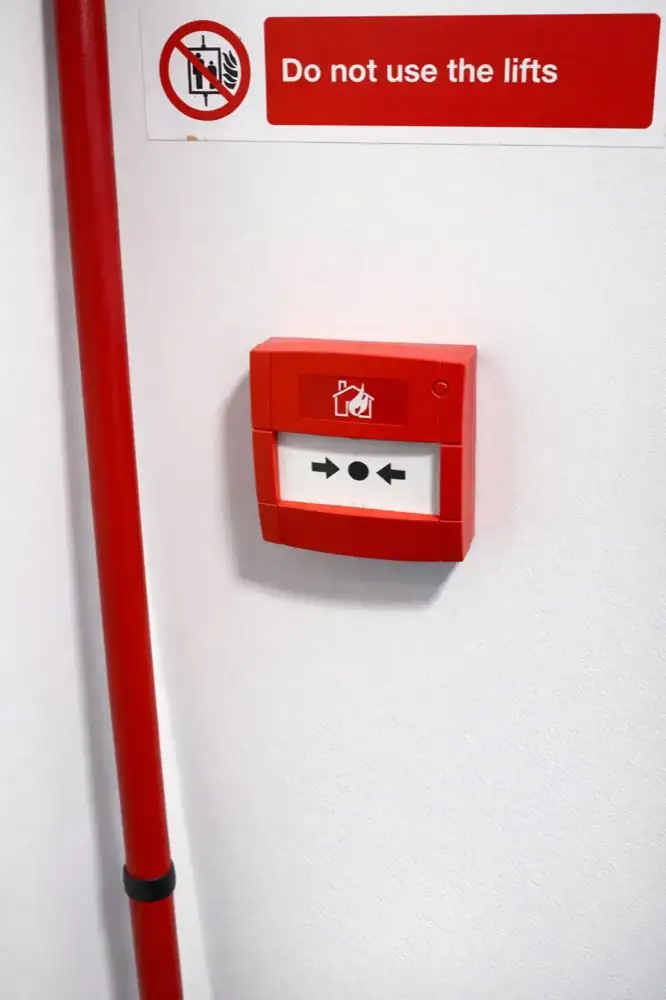
Weekly call point tests carried out and logged for you, so the checks never get missed.
View weekly testing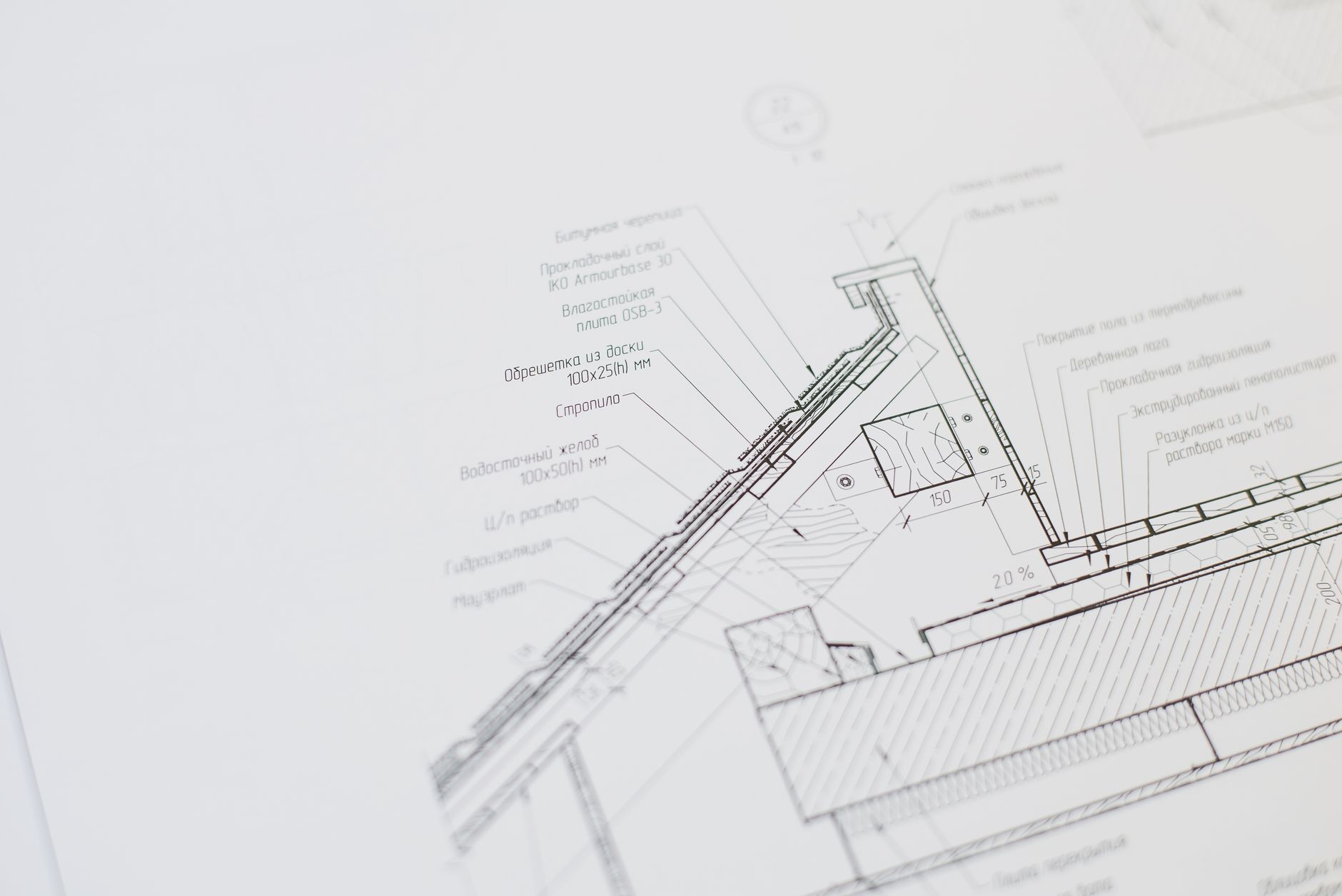
Clear zone plans beside your panel that show responders exactly where an alarm came from.
View zone charts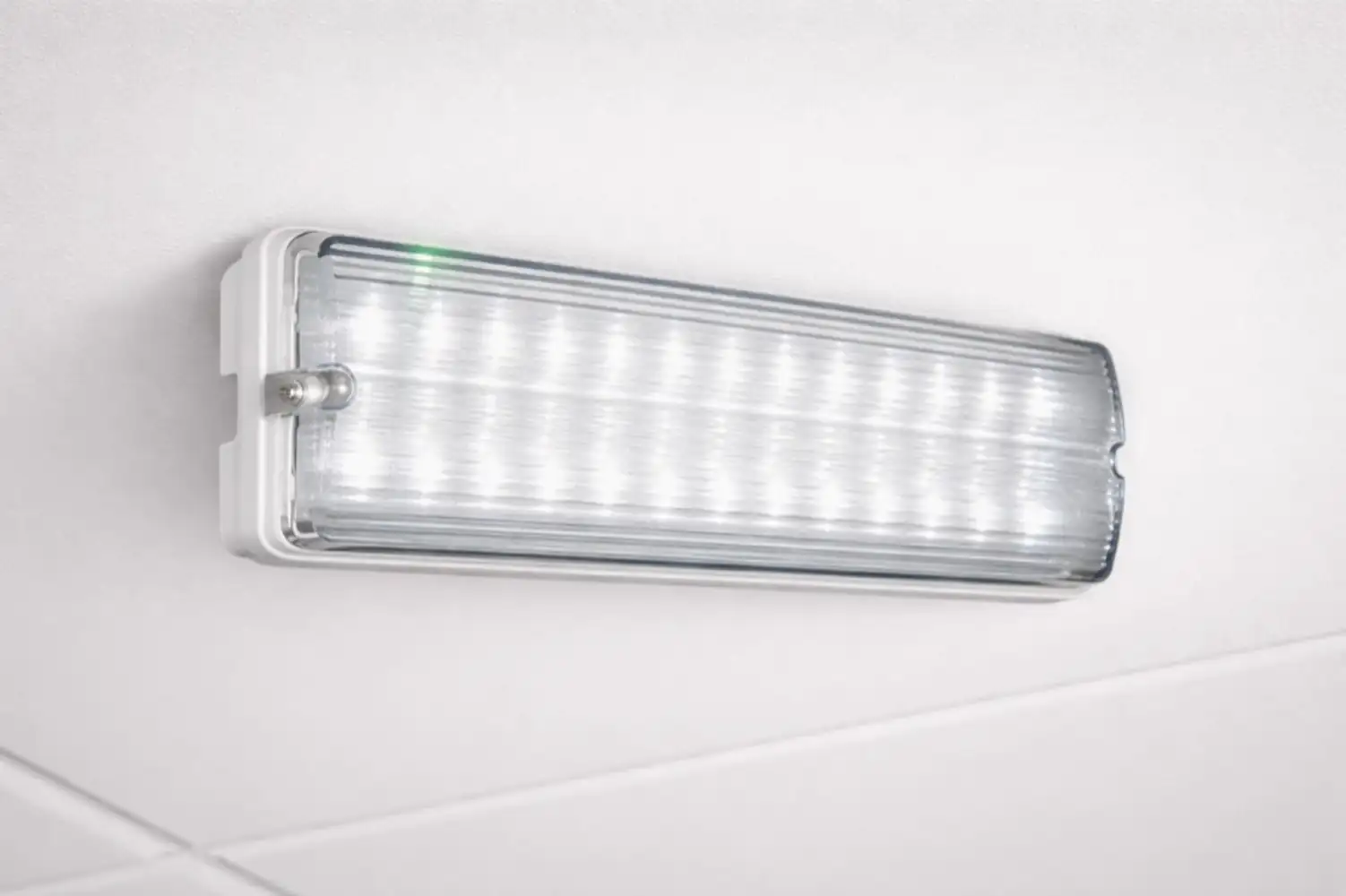
Escape routes lit and tested to BS 5266, so everyone can get out if the power fails.
View emergency lighting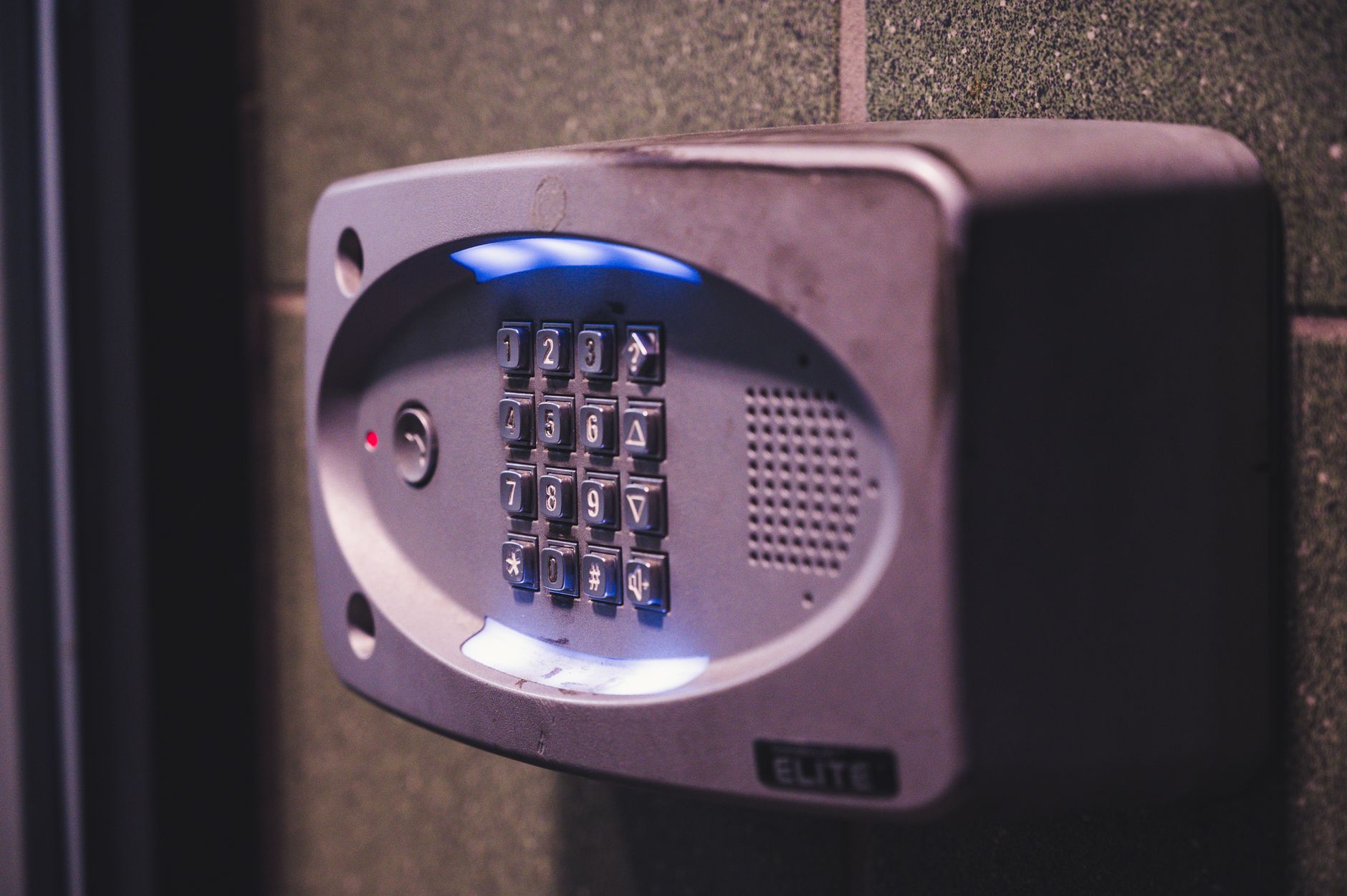
Wired, wireless and monitored alarms that protect your building, stock and people.
View intruder alarms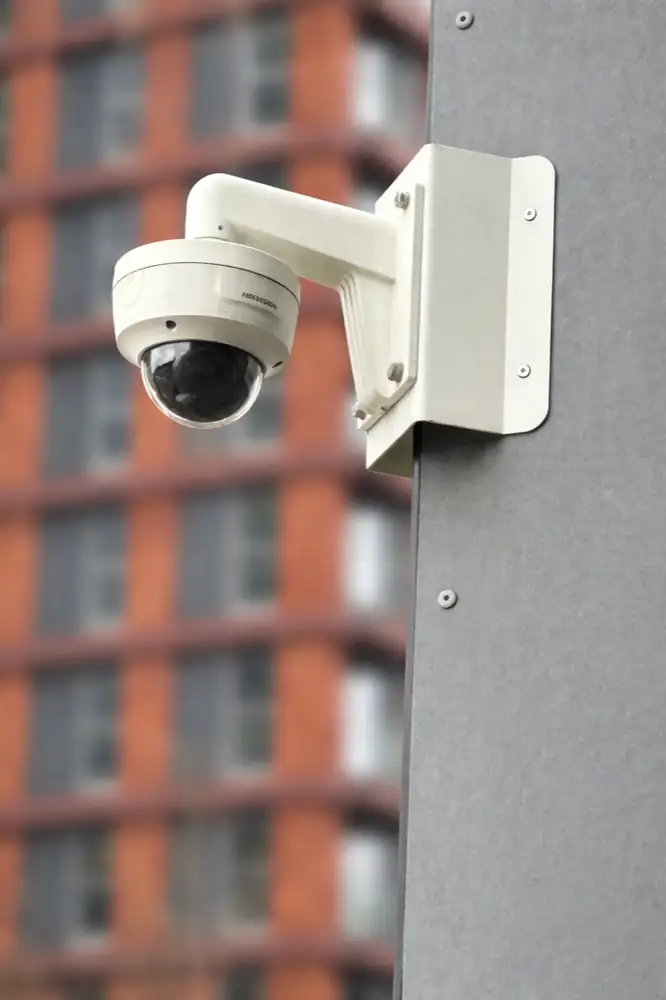
HD and 4K cameras with secure recording and remote viewing from your phone.
View CCTV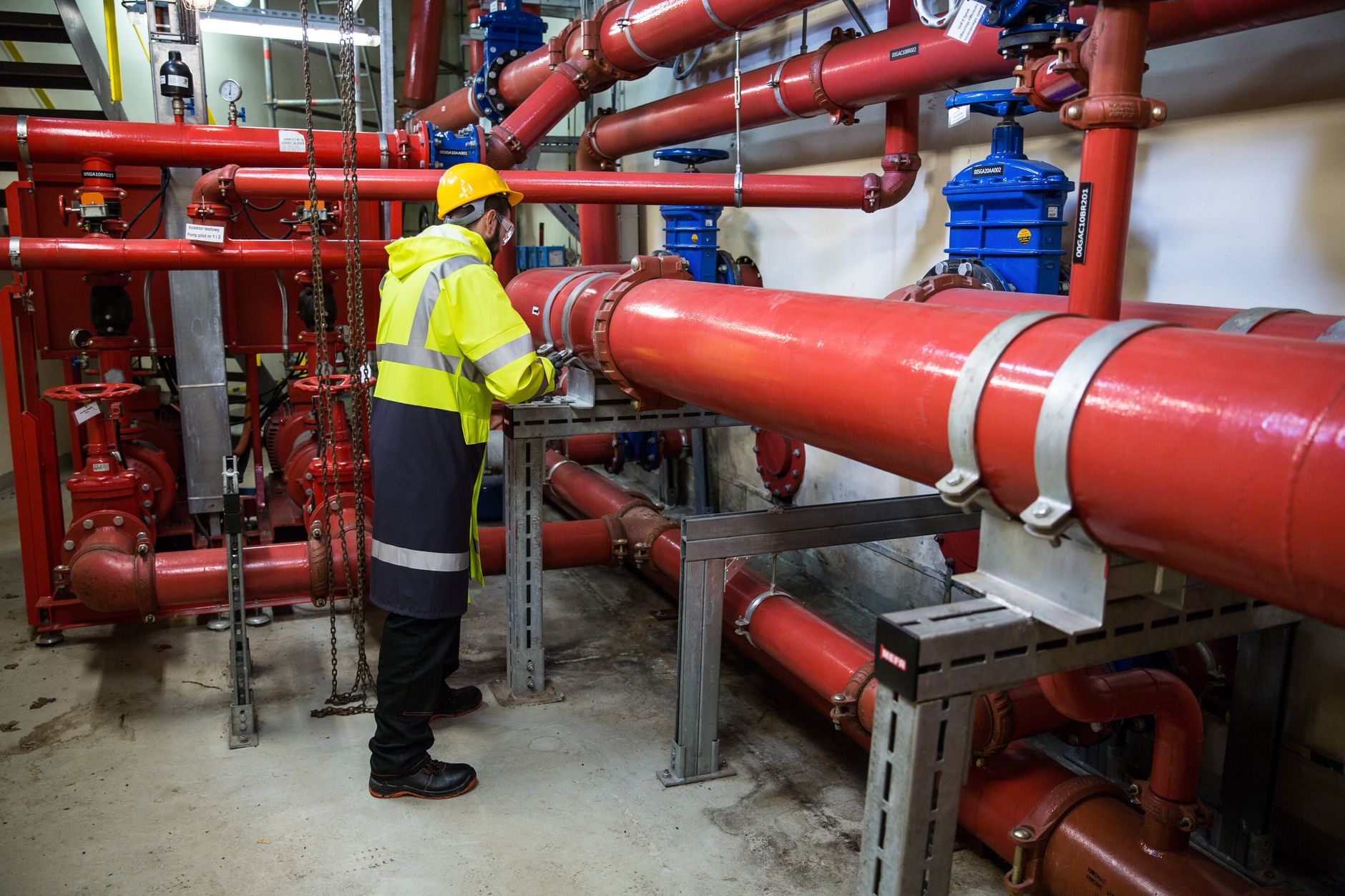
Sensors and alerts that catch escaping water before it damages your building.
View leak detection
Quick, tidy fixes for the actions raised in assessments, inspections and service visits.
View remedial works